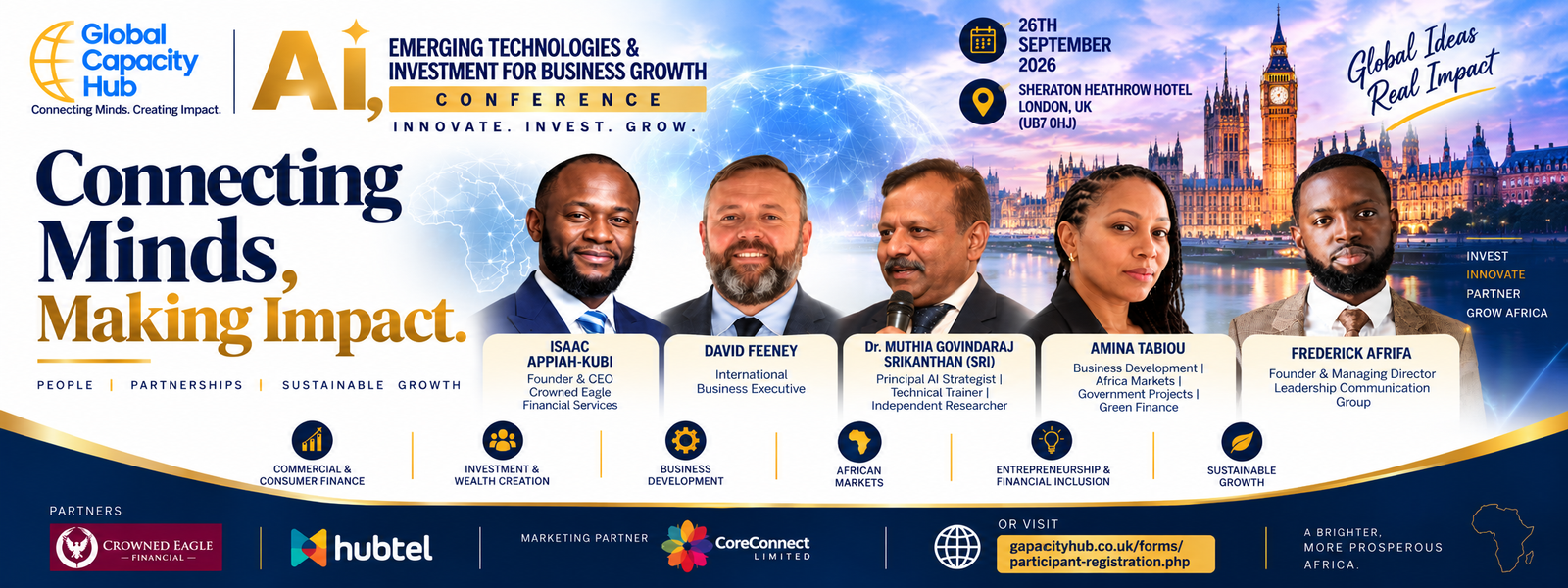
Join Our Conference from the comfort of your home

Global Capacity Hub is a premier capacity-building organization dedicated to fostering professional growth, knowledge sharing, and global connections. We specialize in organizing high-impact conferences, training programs, and networking events that bring together industry leaders, experts, and professionals from diverse fields.
Our mission is to empower individuals and organizations with the skills, insights, and networks they need to thrive in an ever-evolving global landscape. Through strategic partnerships, innovative learning experiences, and a commitment to excellence, we create platforms that inspire collaboration, drive innovation, and accelerate professional success.
Join us at Global Capacity Hub as we shape the future of capacity building—one connection at a time.
Connecting minds; creating impact...

Latest Press Release
WHERE TECHNOLOGY MEETS CAPITAL: GLOBAL CAPACITY HUB'S LONDON CONFERENCE OPENS NEW DOORS FOR GHANAIAN BUSINESSES
Date: 29th September 2026
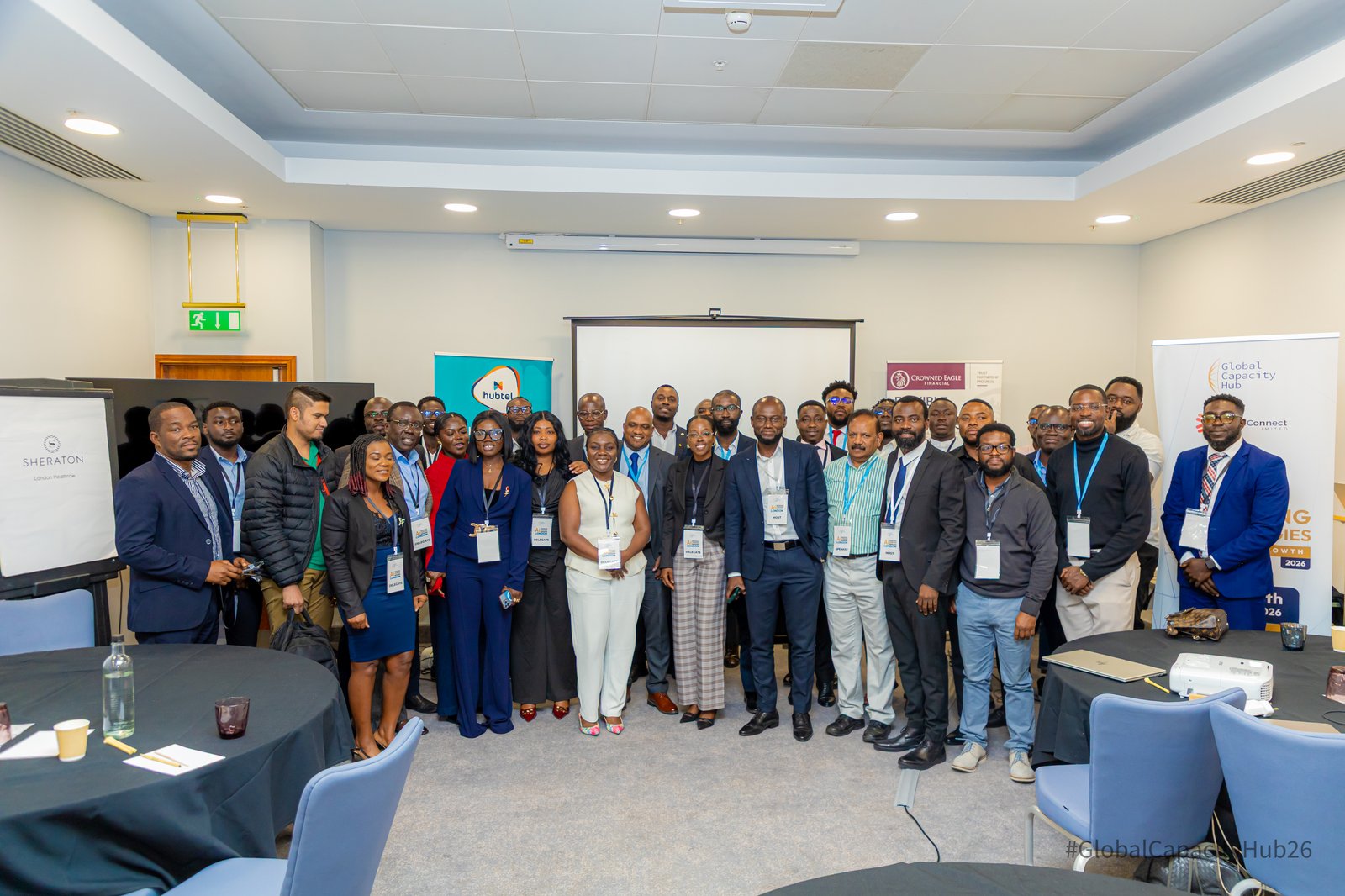
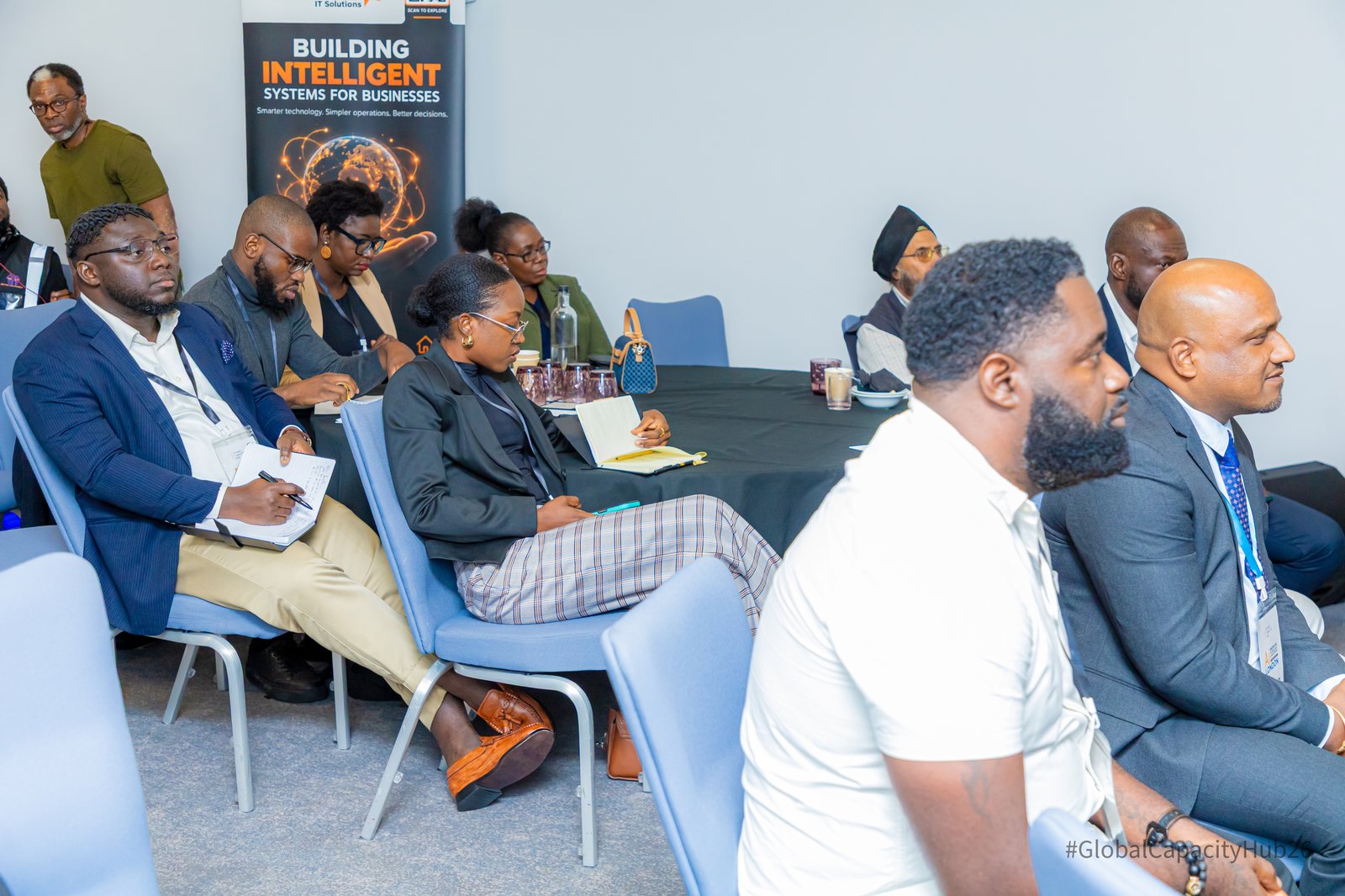
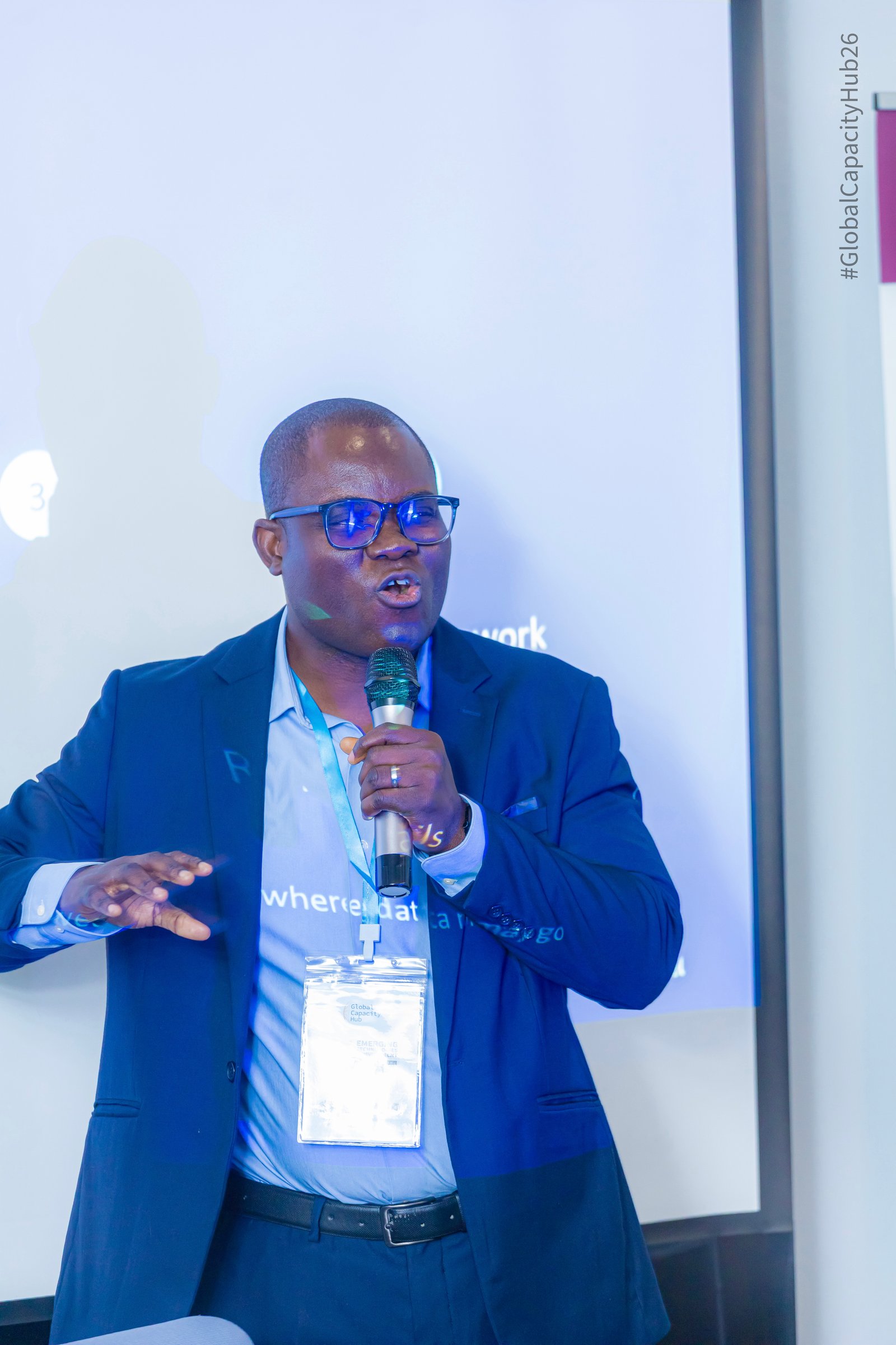
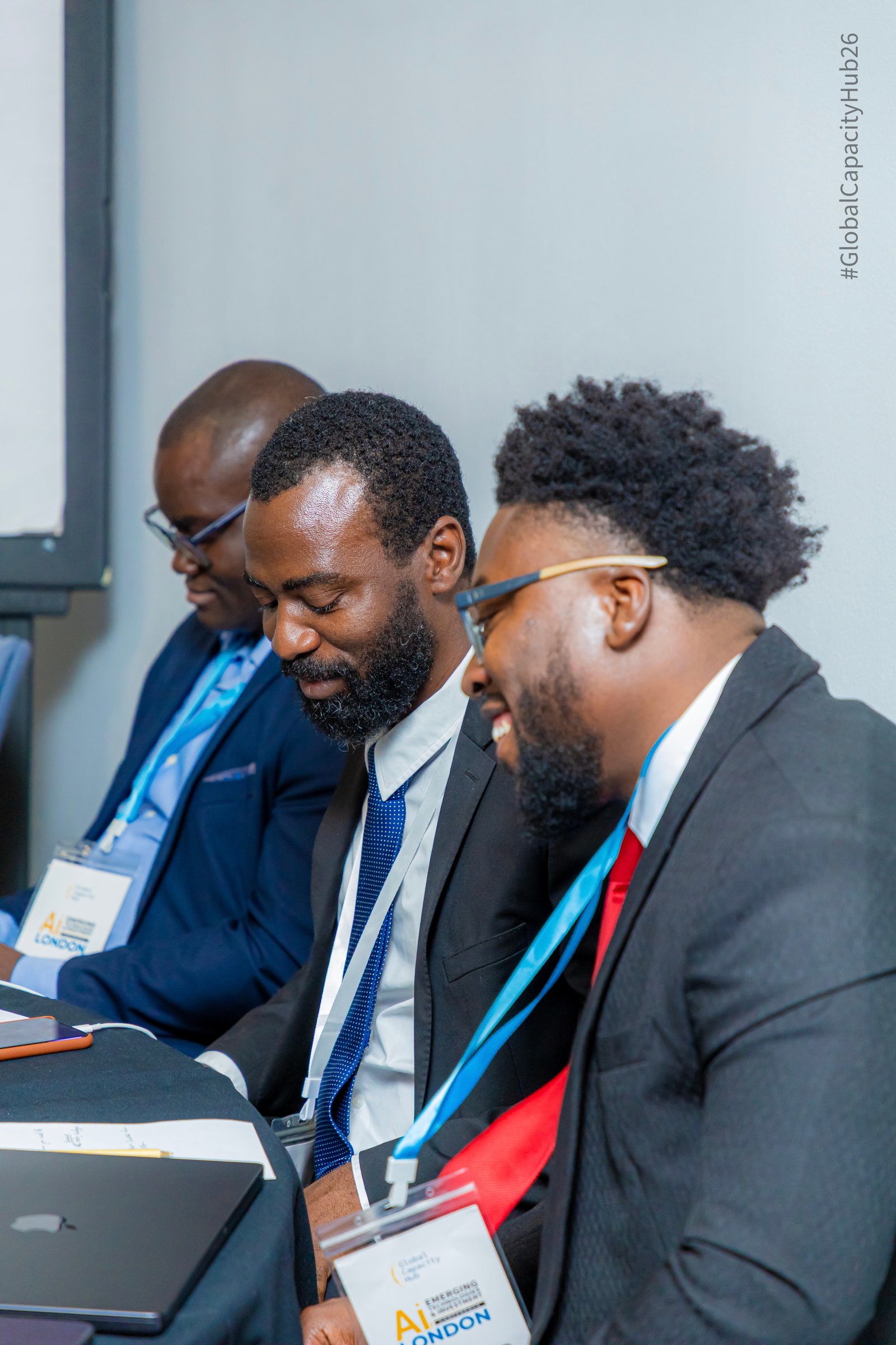
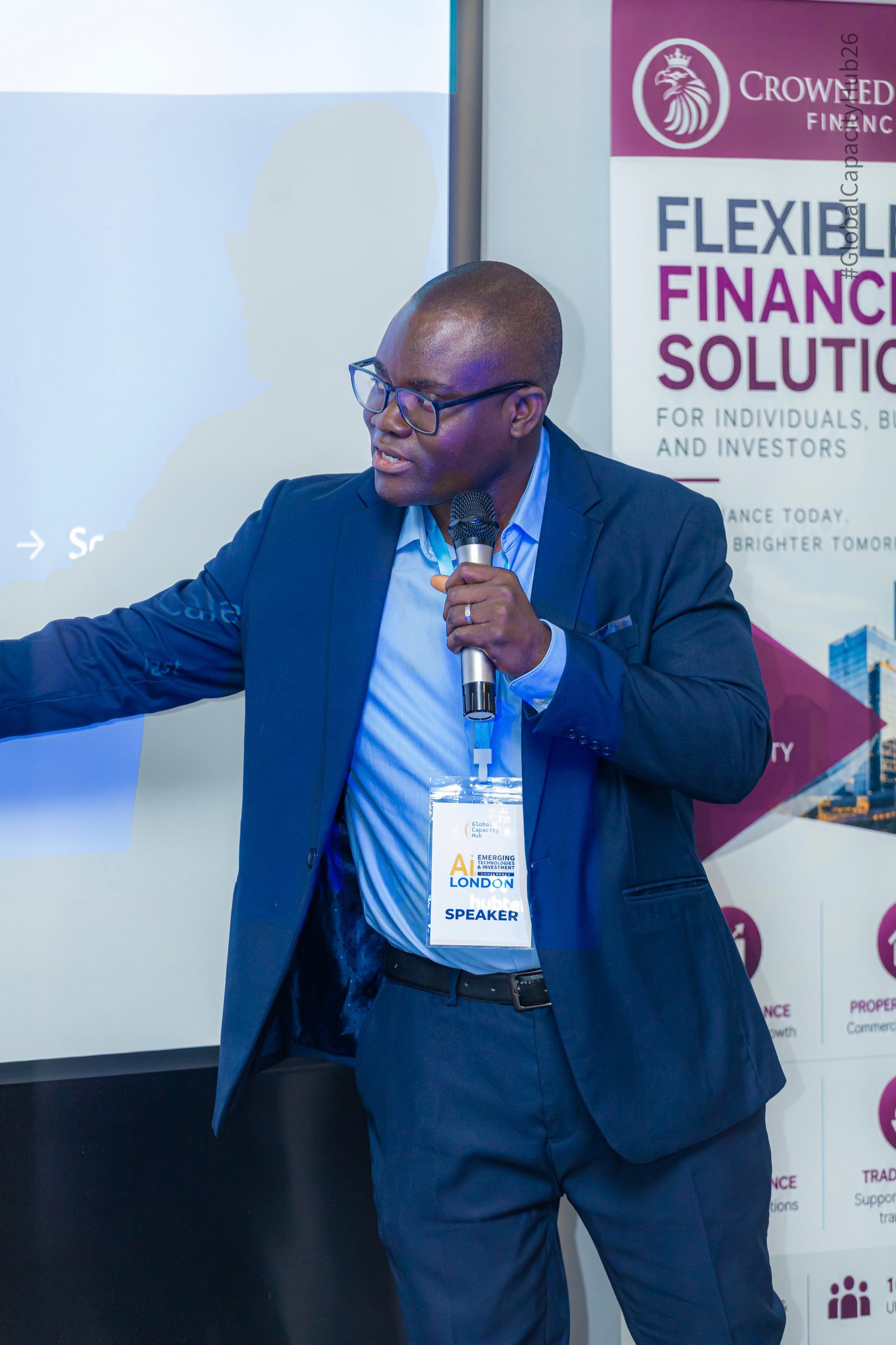
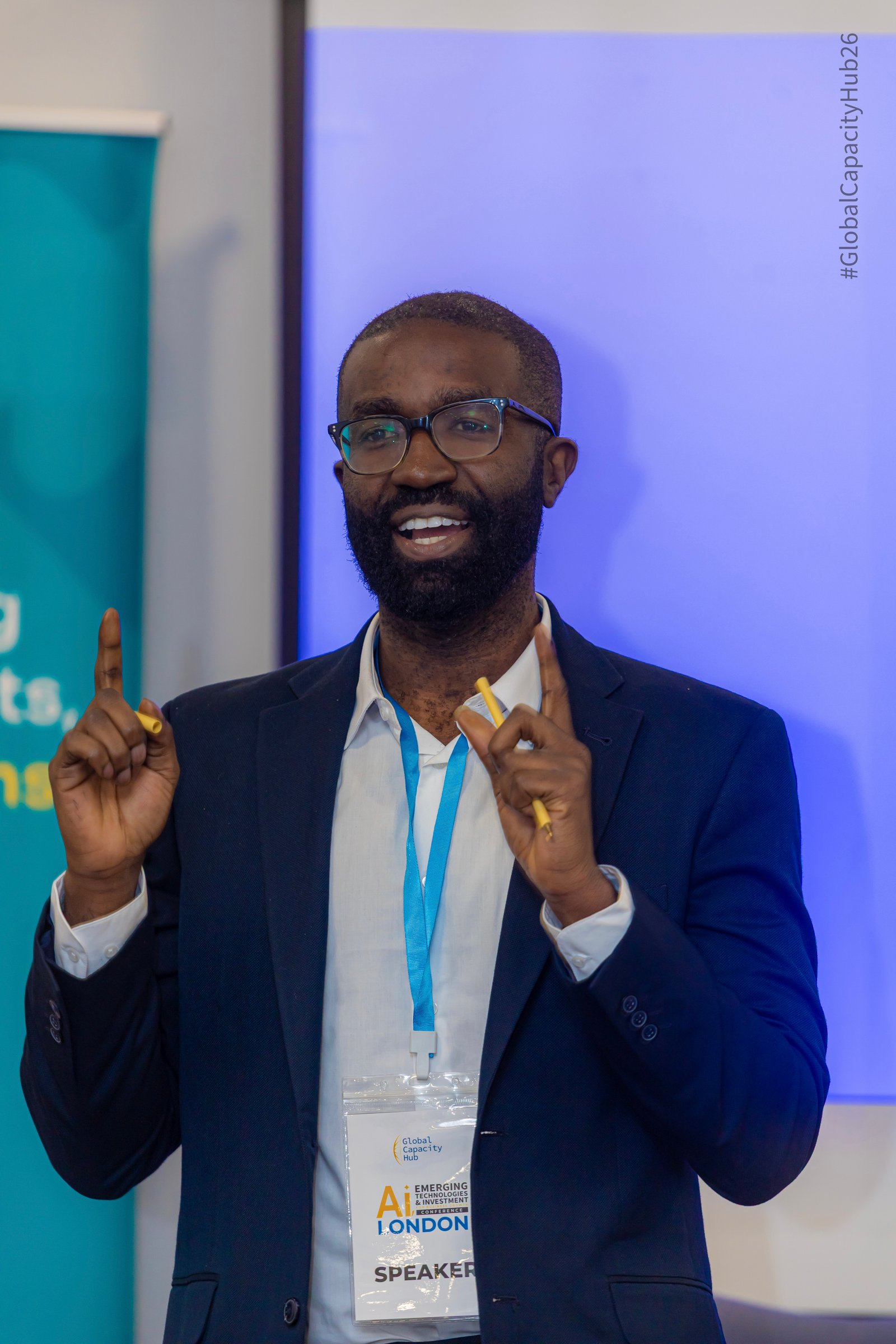
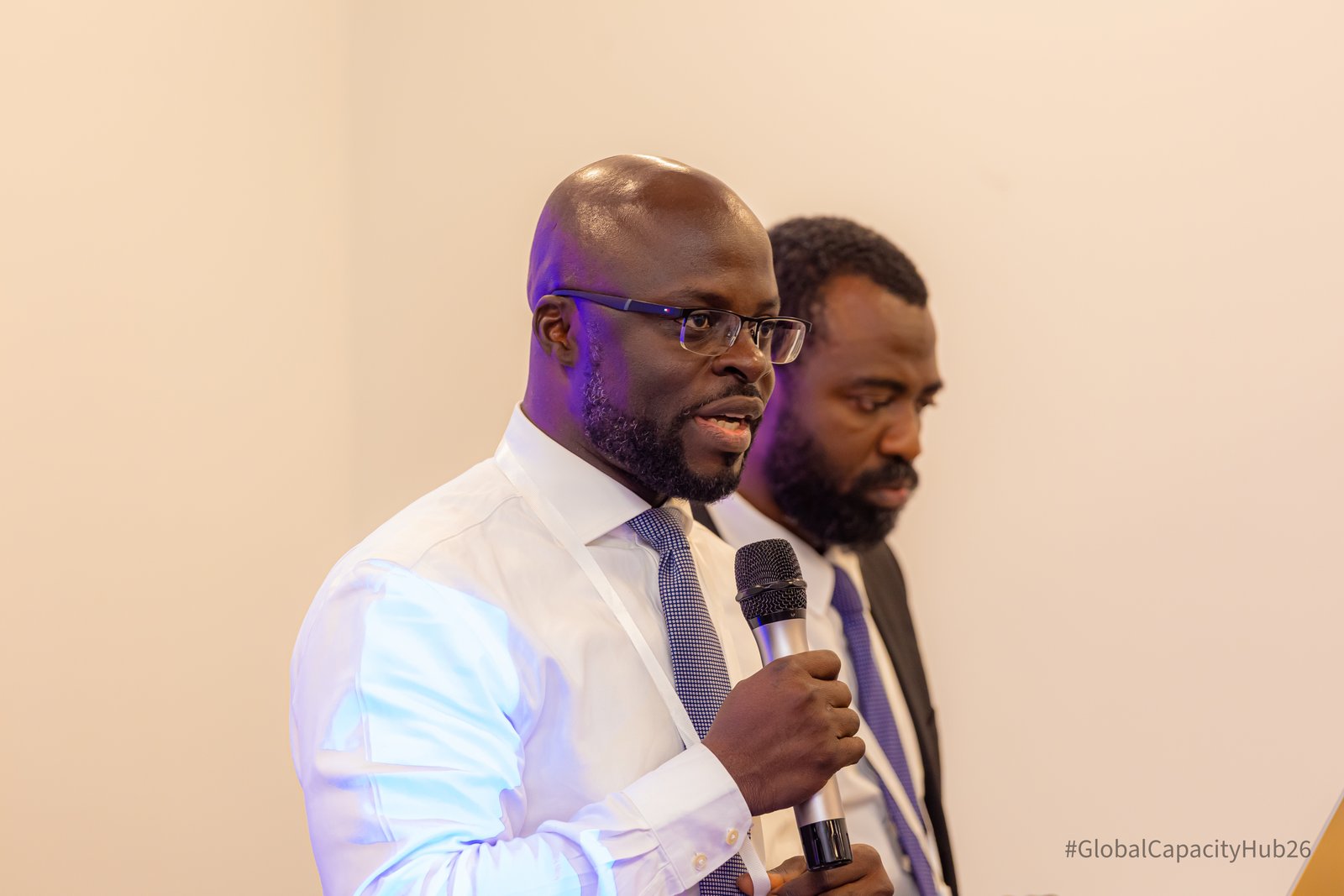
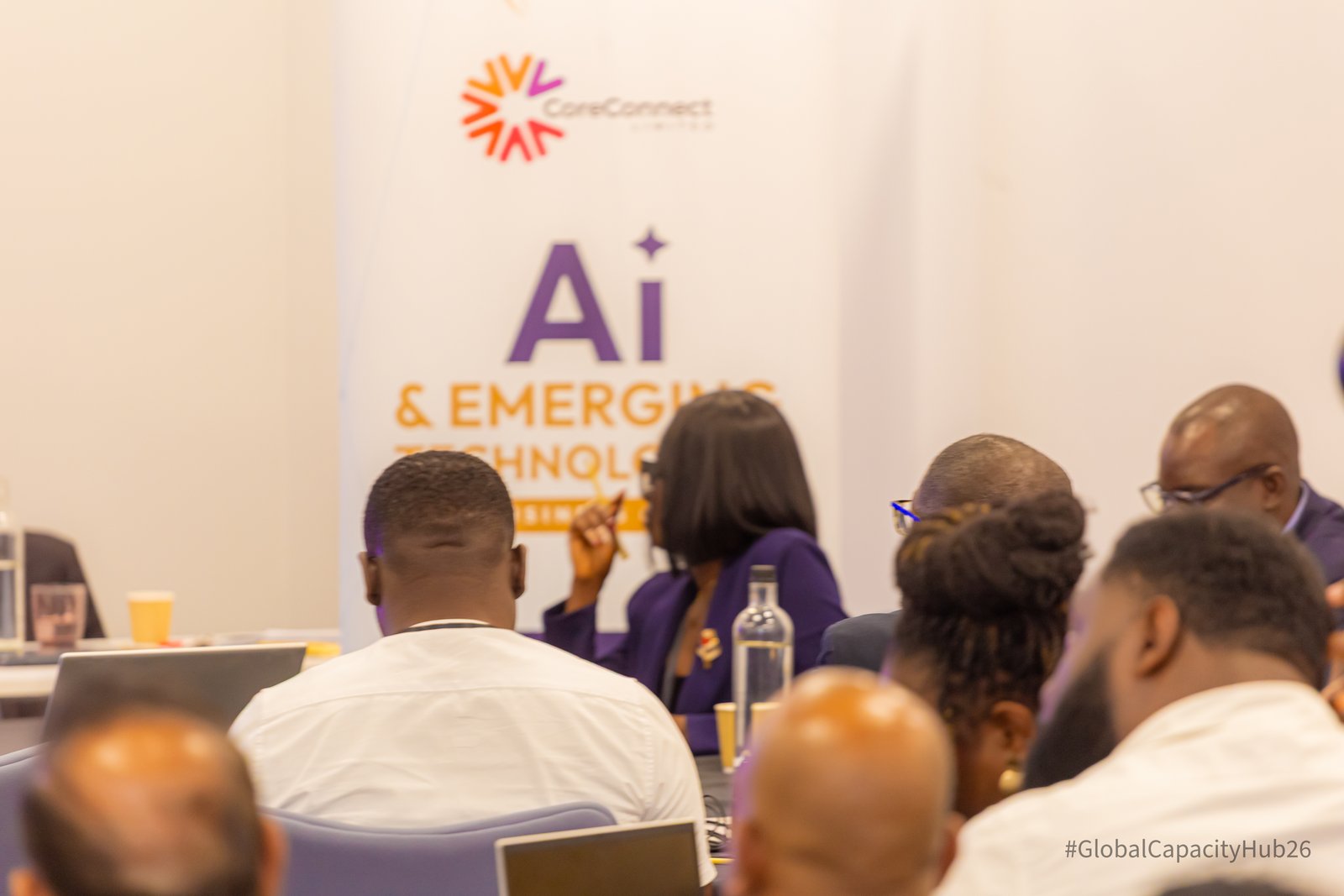
LONDON, United Kingdom. On Saturday, 26 September 2026, the Sheraton Heathrow Hotel became a meeting point for ideas, expertise and capital as Global Capacity Hub hosted the third edition of its flagship conference, and the second to be held in London. Held under the theme “Innovate. Invest. Grow.”, this year's edition marked a significant evolution. What began as the AI & Emerging Technologies Conference has now grown to include investment and business growth, a deliberate expansion aimed at giving Ghanaian-owned businesses in Ghana and the United Kingdom a direct route to investors, funding opportunities and strategic partnerships.
GLOBAL CAPACITY HUB
Connecting Minds. Creating Impact.
PRESS RELEASE
FOR IMMEDIATE RELEASE | 28 September 2026
Where Technology Meets Capital: Global Capacity Hub's London Conference Opens New Doors for Ghanaian Businesses
Third edition of the AI, Emerging Technologies & Investment for Business Growth Conference draws innovators, investors and entrepreneurs to Heathrow, with Dubai and Accra next on the calendar
LONDON, United Kingdom. On Saturday, 26 September 2026, the Sheraton Heathrow Hotel became a meeting point for ideas, expertise and capital as Global Capacity Hub hosted the third edition of its flagship conference, and the second to be held in London.
Held under the theme “Innovate. Invest. Grow.”, this year's edition marked a significant evolution. What began as the AI & Emerging Technologies Conference has now grown to include investment and business growth, a deliberate expansion aimed at giving Ghanaian-owned businesses in Ghana and the United Kingdom a direct route to investors, funding opportunities and strategic partnerships.
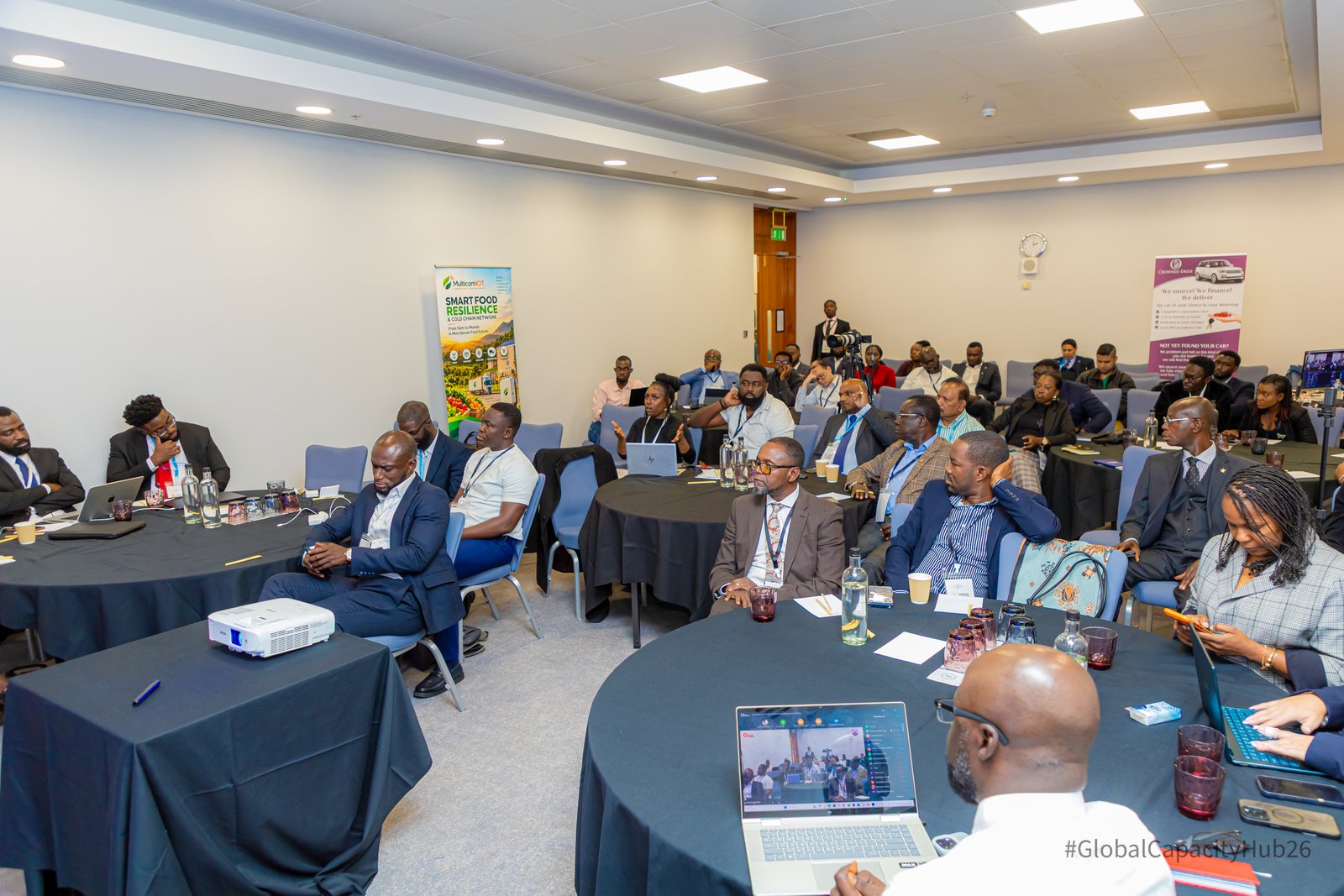
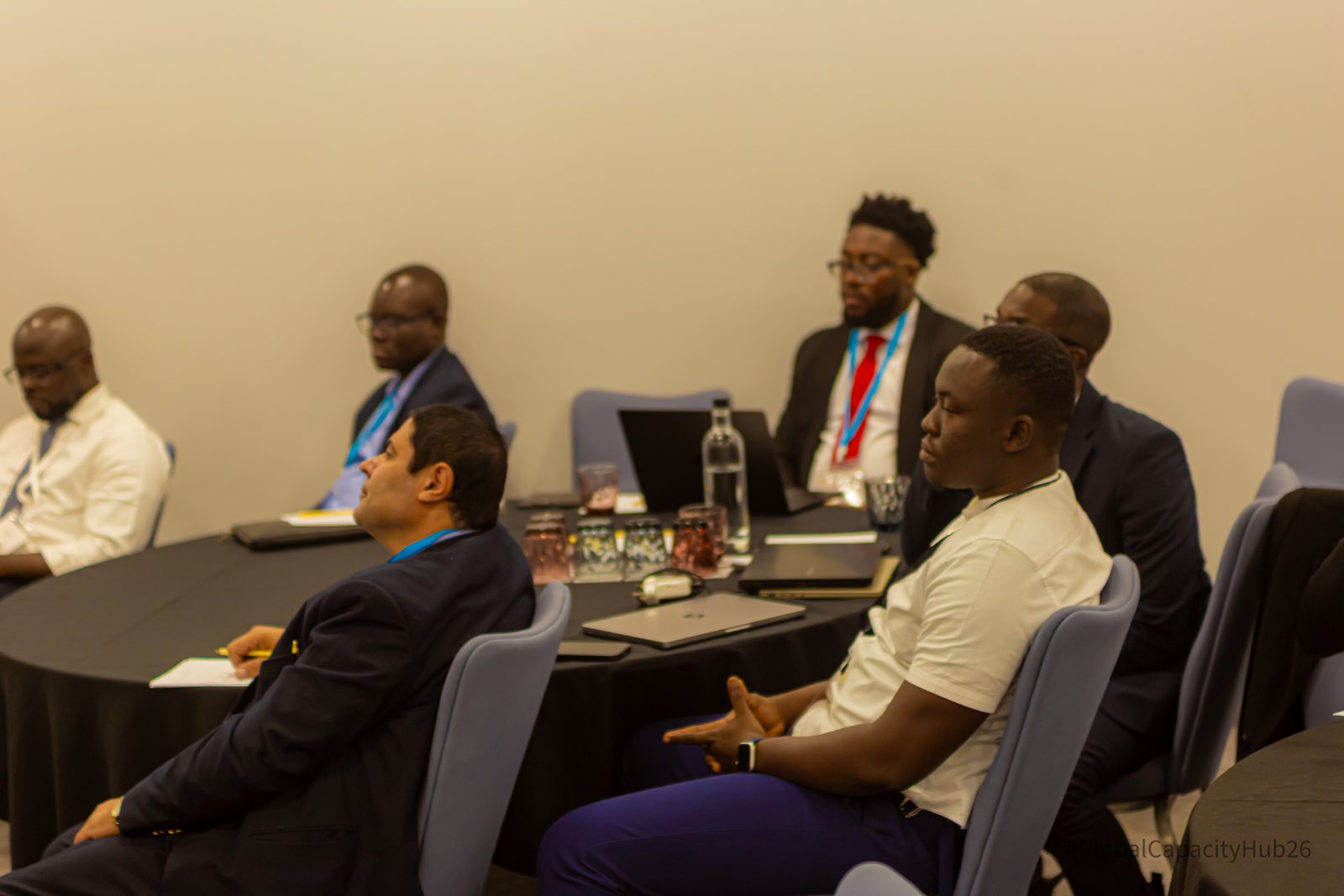
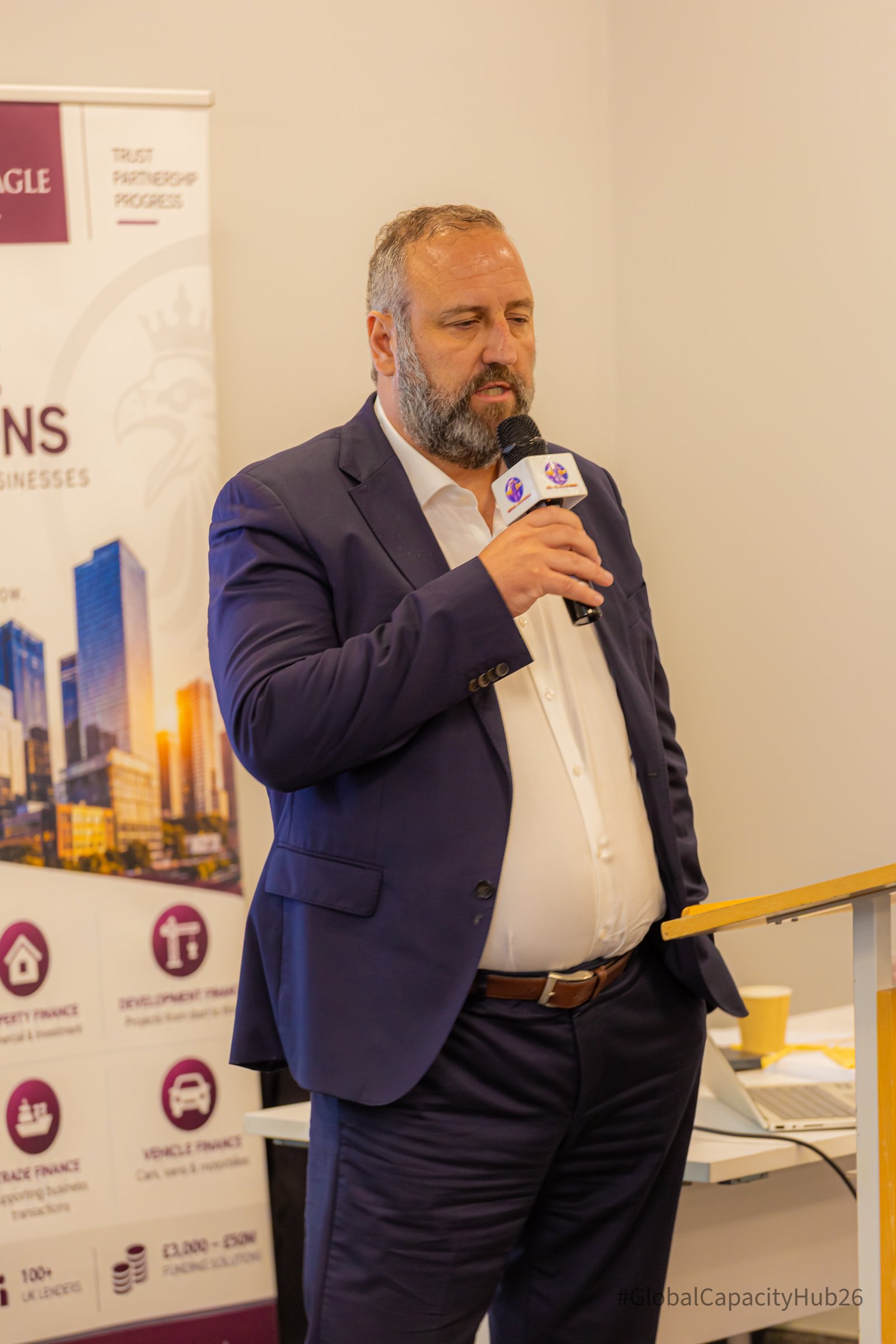
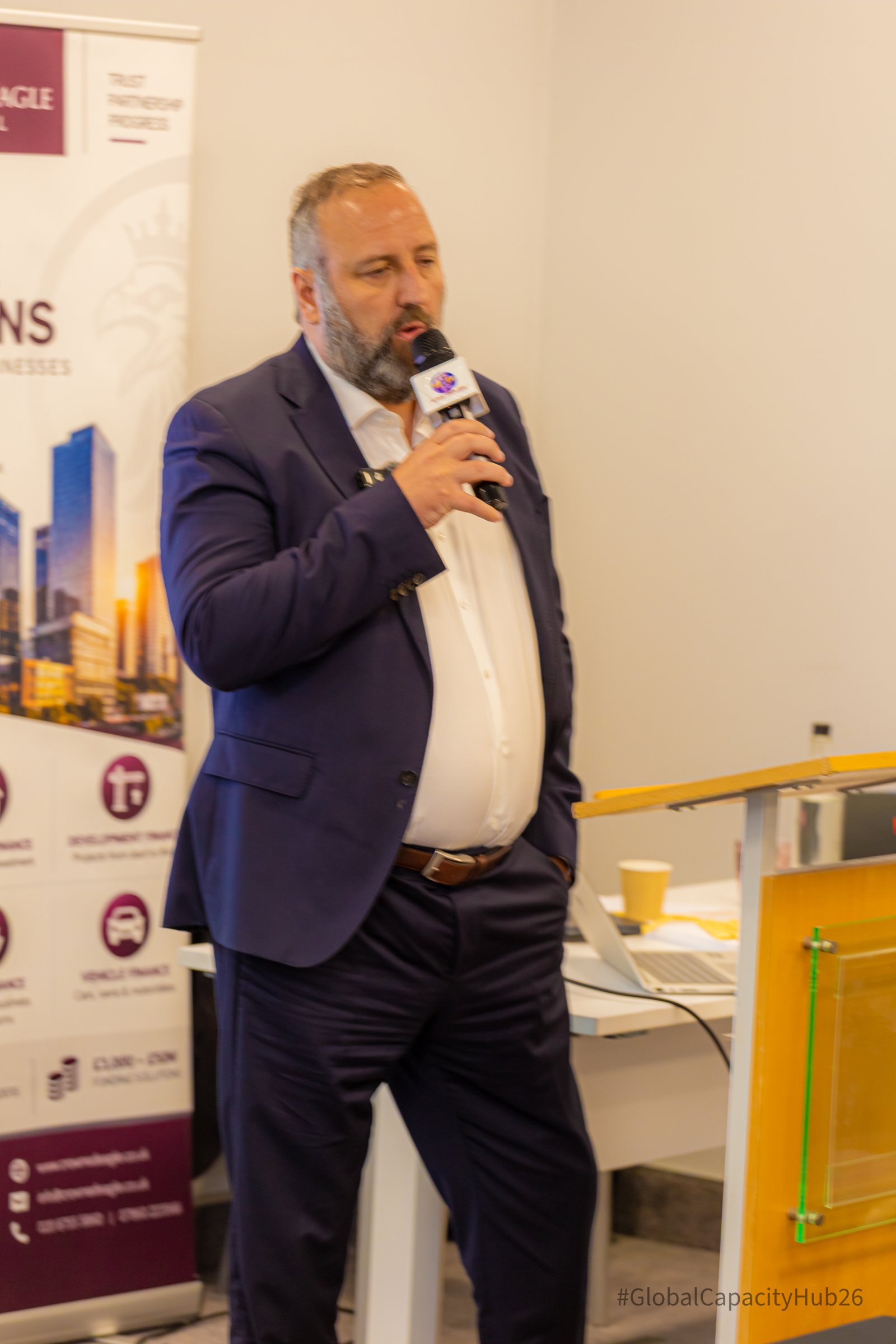
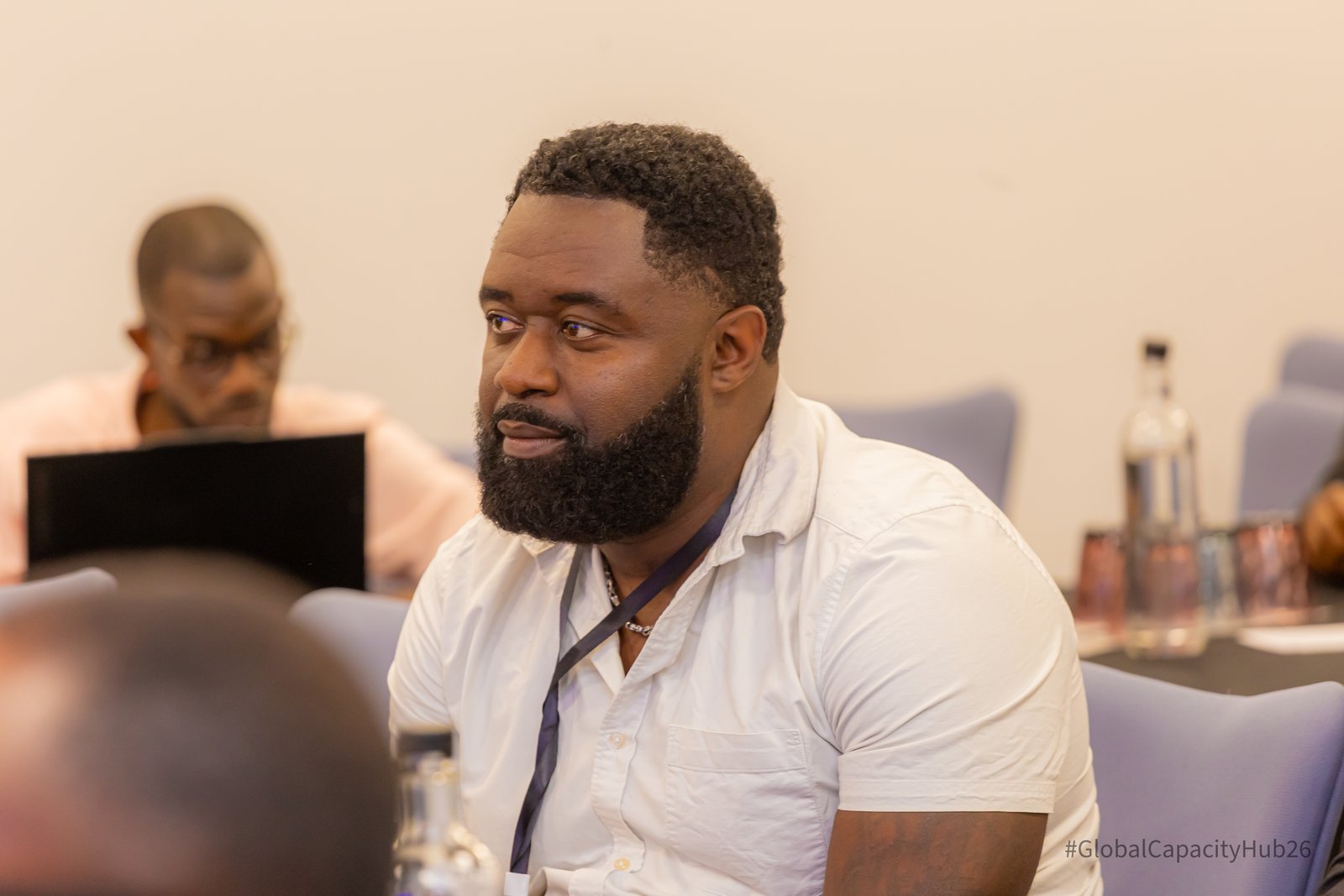
The conference was organised by Stephen Forson, Director General of Global Capacity Hub, and Edward Akorsah, the organisation's UK Country Director, with Anthonia Adewuwa Owie and Afia Aninwaa serving as co-hosts. It brought together technology experts, business leaders, investors, entrepreneurs and professionals, with participants joining both in person and online.
From theory to the shop floor
If one message ran through the day, it was that artificial intelligence is no longer a subject for speculation. It is a working tool. Rather than dwelling on abstract promises, the programme focused on how entrepreneurs and organisations can put AI and emerging technologies to practical use: to raise productivity, solve real business problems, open new markets and stay competitive.
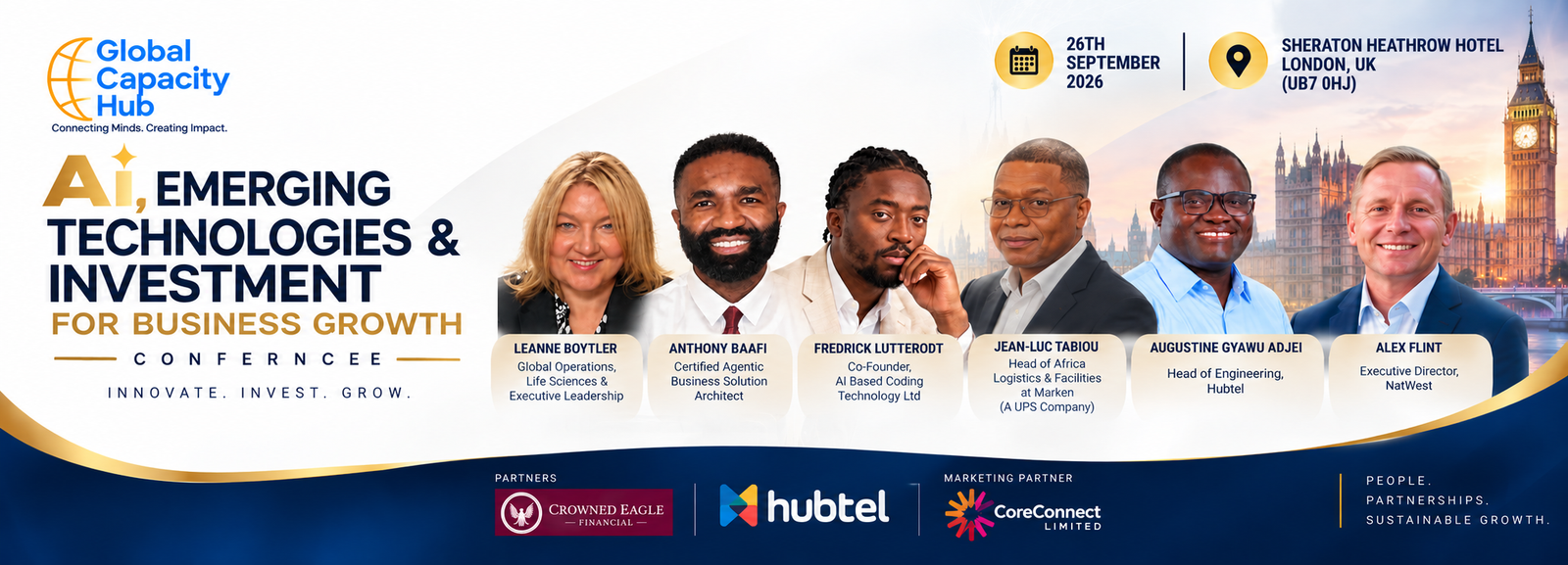
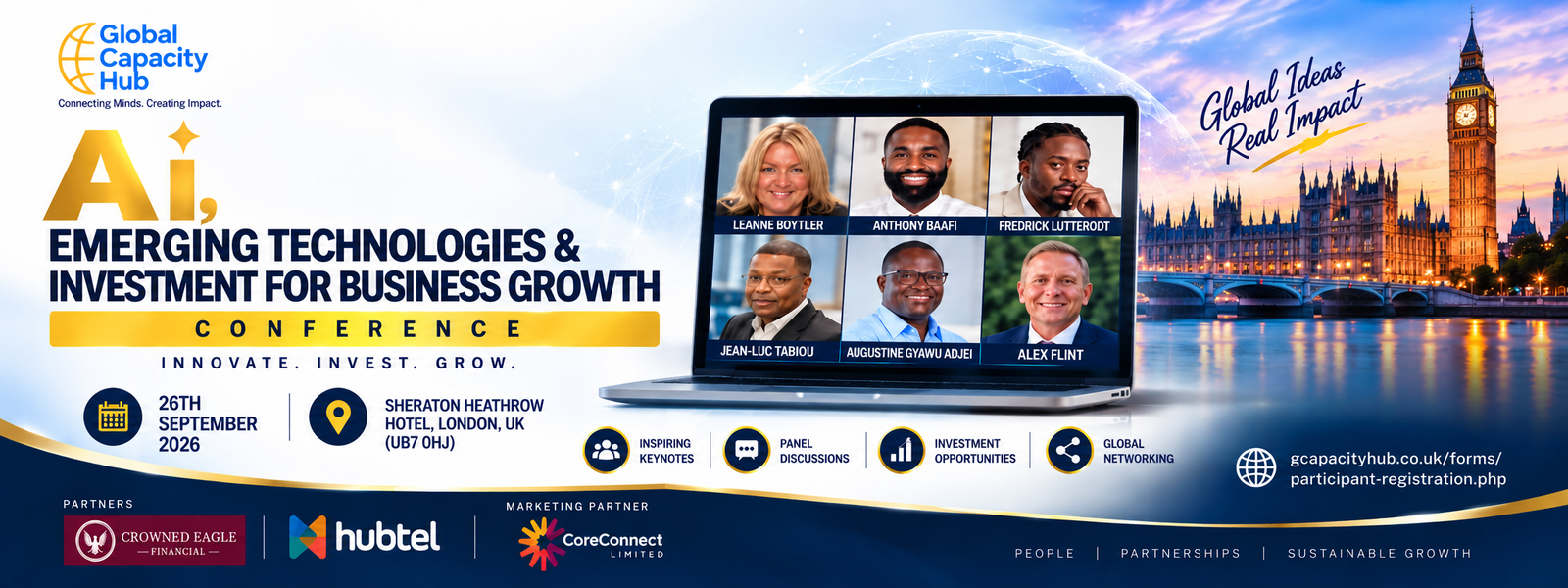
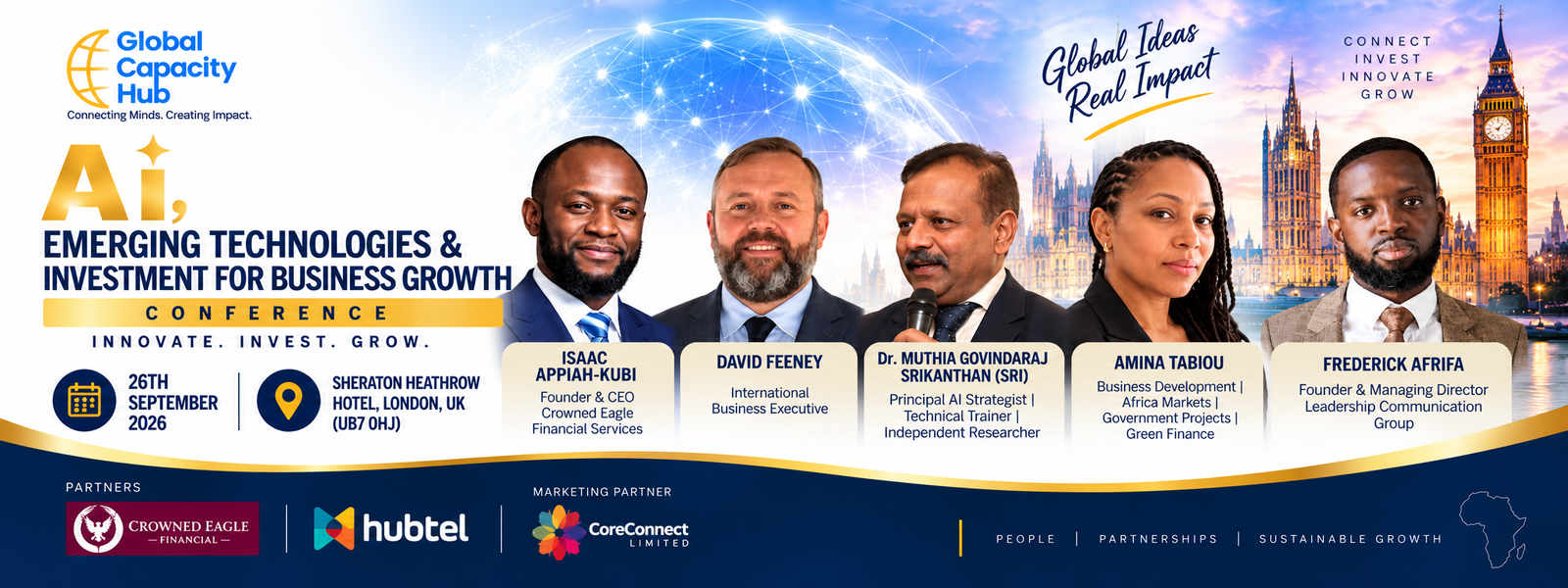
The speaker line-up reflected that practical focus, drawing on experience across banking, engineering, life sciences, governance and communication. Among those featured were Alex Flint, Executive Director at NatWest; Augustine Gyawu Adjei, Head of Engineering at Hubtel; Dr M. G. Srikanthan, Principal AI Strategist; Leanne Boytler, a British business executive in global operations and life sciences; Isaac Appiah-Kubi, Founder and CEO of Crowned Eagle Financial Services; Frederick Afrifa, Founder and Managing Director of Leadership Communication Group; AI governance specialist Anthony Baafi; AI automation consultant Fredrick Lutterodt; and business development professional Amina Tabiou.
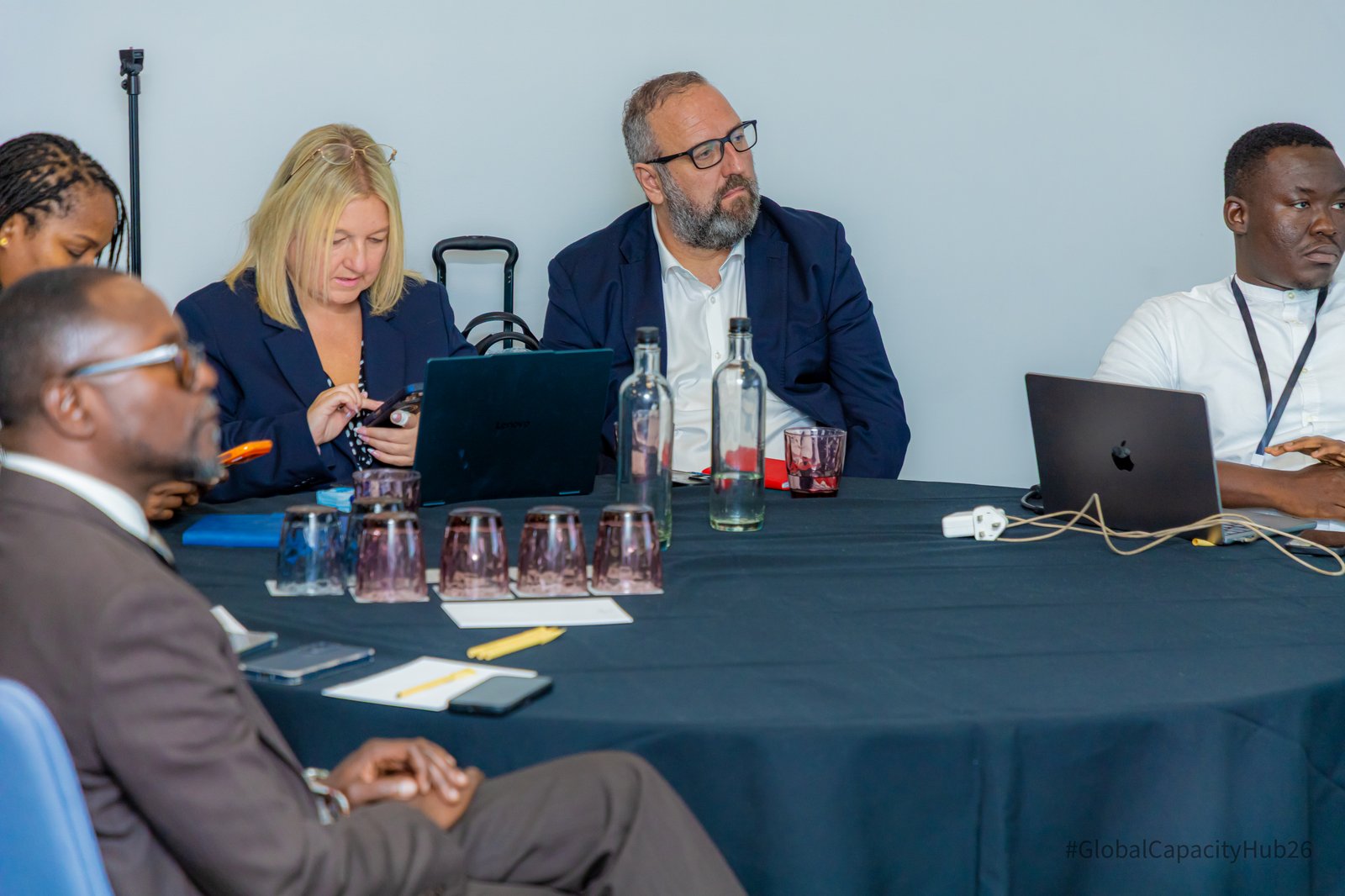
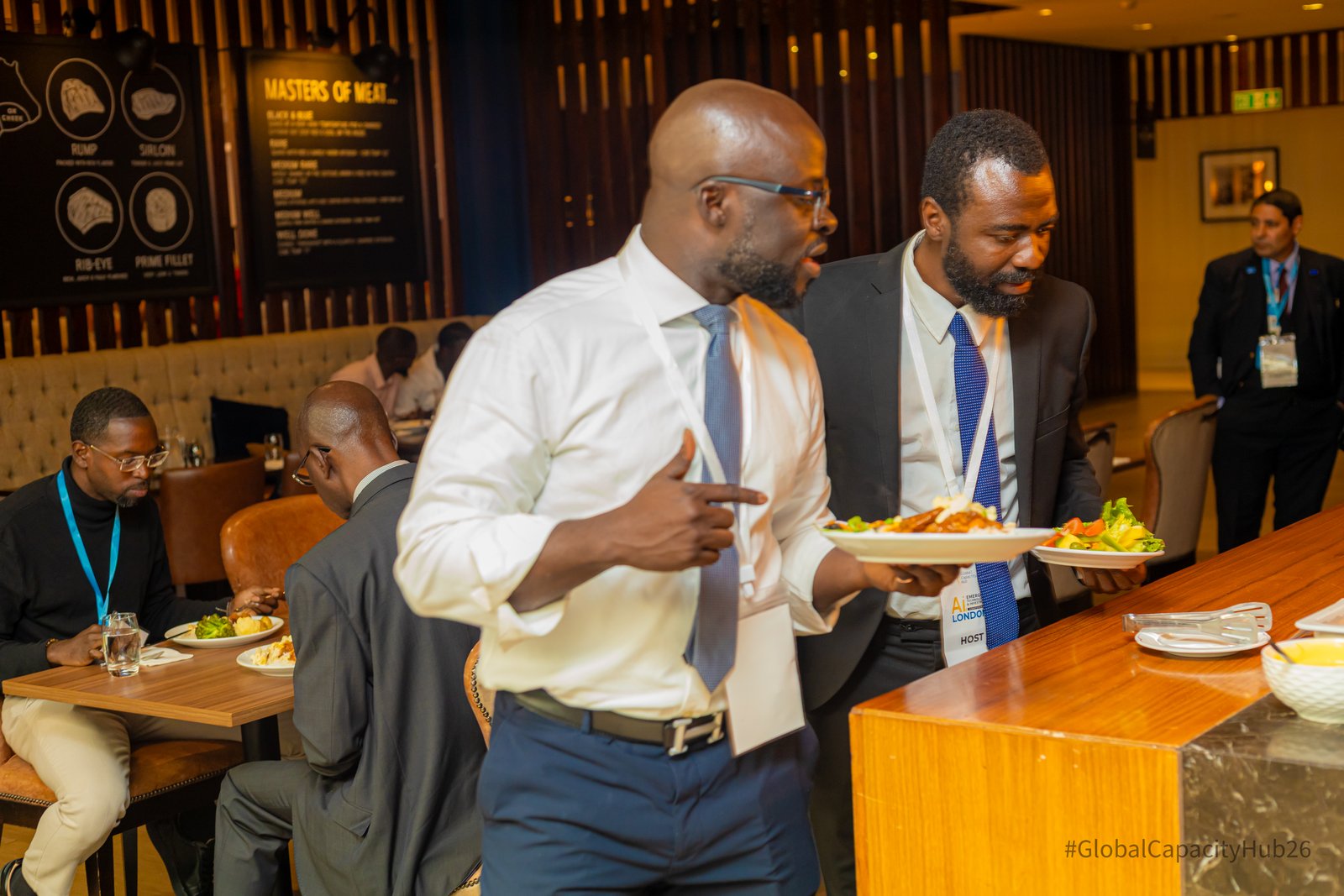
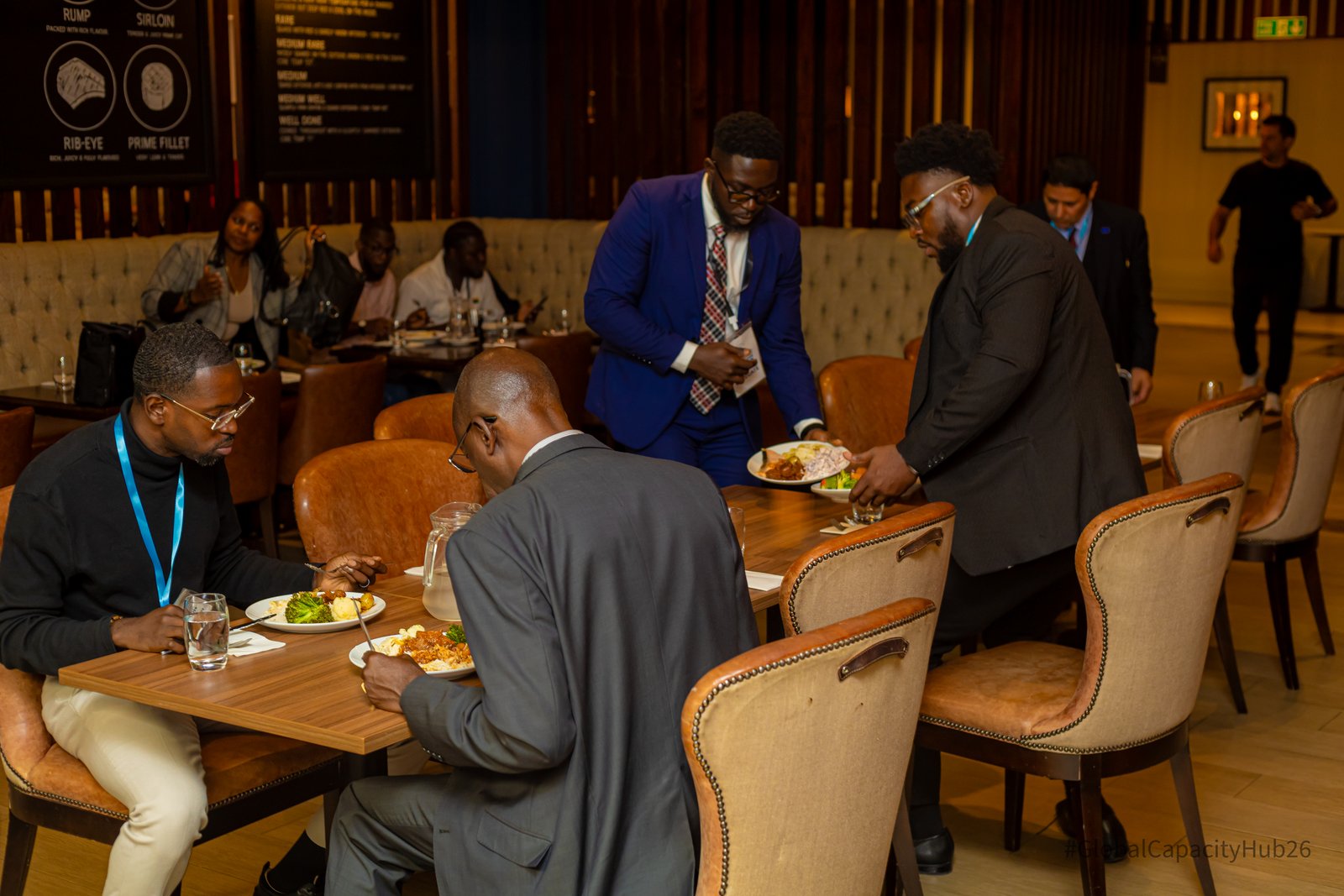
The programme combined keynote sessions, panel discussions and hands-on workshops with exhibitions and a formal dinner. One of the most anticipated moments was the investment pitching session, where selected businesses presented their ventures directly to potential investors, turning the conference's new investment focus into something tangible.
Ghana's investment story takes centre stage
The Ghana High Commission in the United Kingdom graced the occasion and used the platform to showcase the country's investment potential to prospective investors. Its presence reinforced one of the conference's central aims: connecting international capital and expertise with opportunities on the ground in Ghana.
The partners behind the success
Global Capacity Hub expressed its deep appreciation to Hubtel, the Main Sponsor of the 2026 conference, for its support in making the event possible. Crowned Eagle Financial served as Organising Partner and CoreConnect Limited as Marketing Partner, with additional sponsorship from iPRO Solutions and Enniclic.
Special recognition went to Mr Isaac Appiah-Kubi, CEO of Crowned Eagle Financial UK, whose extensive contribution and commitment played a significant role in the organisation and success of this year's conference.
The value is in the room
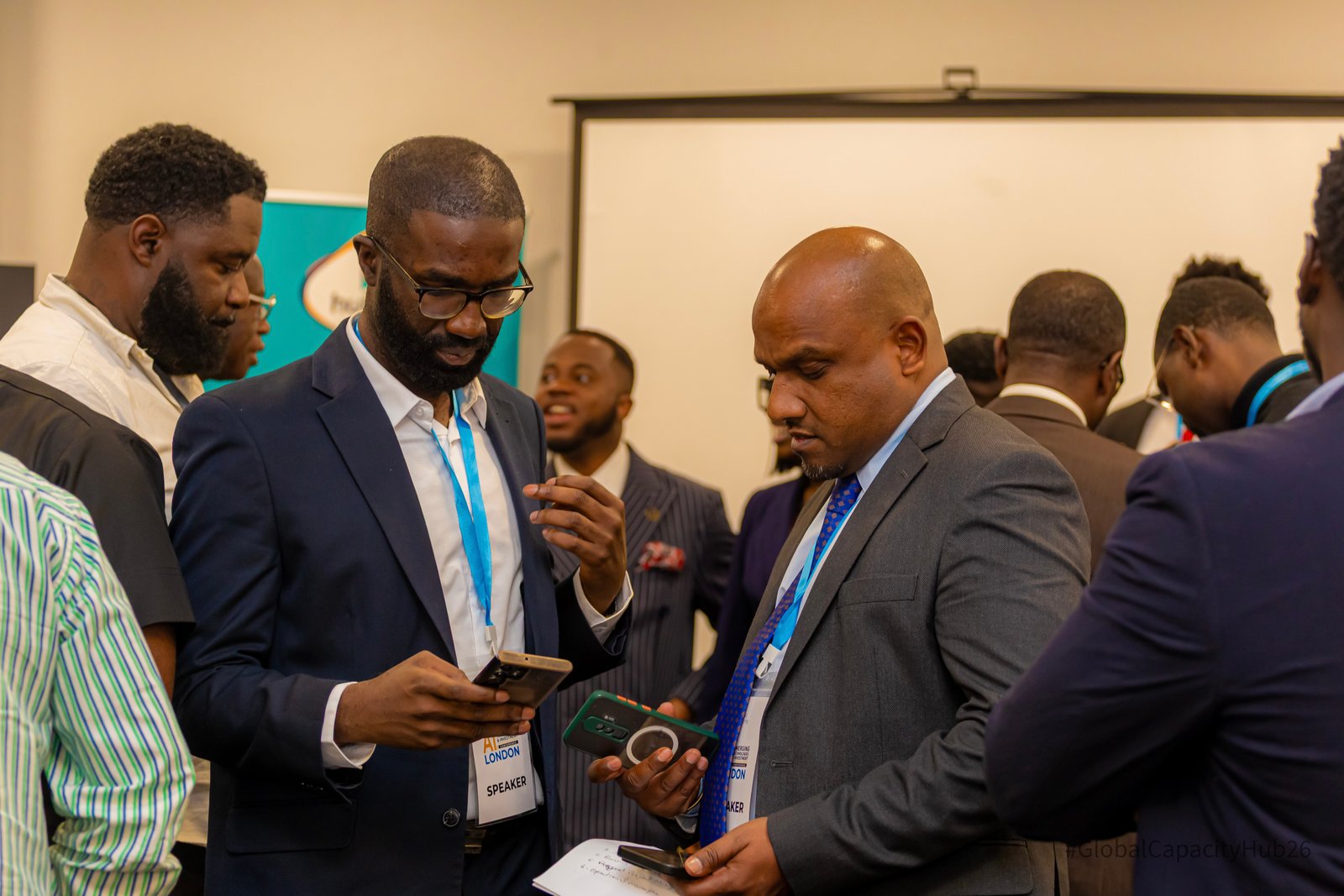
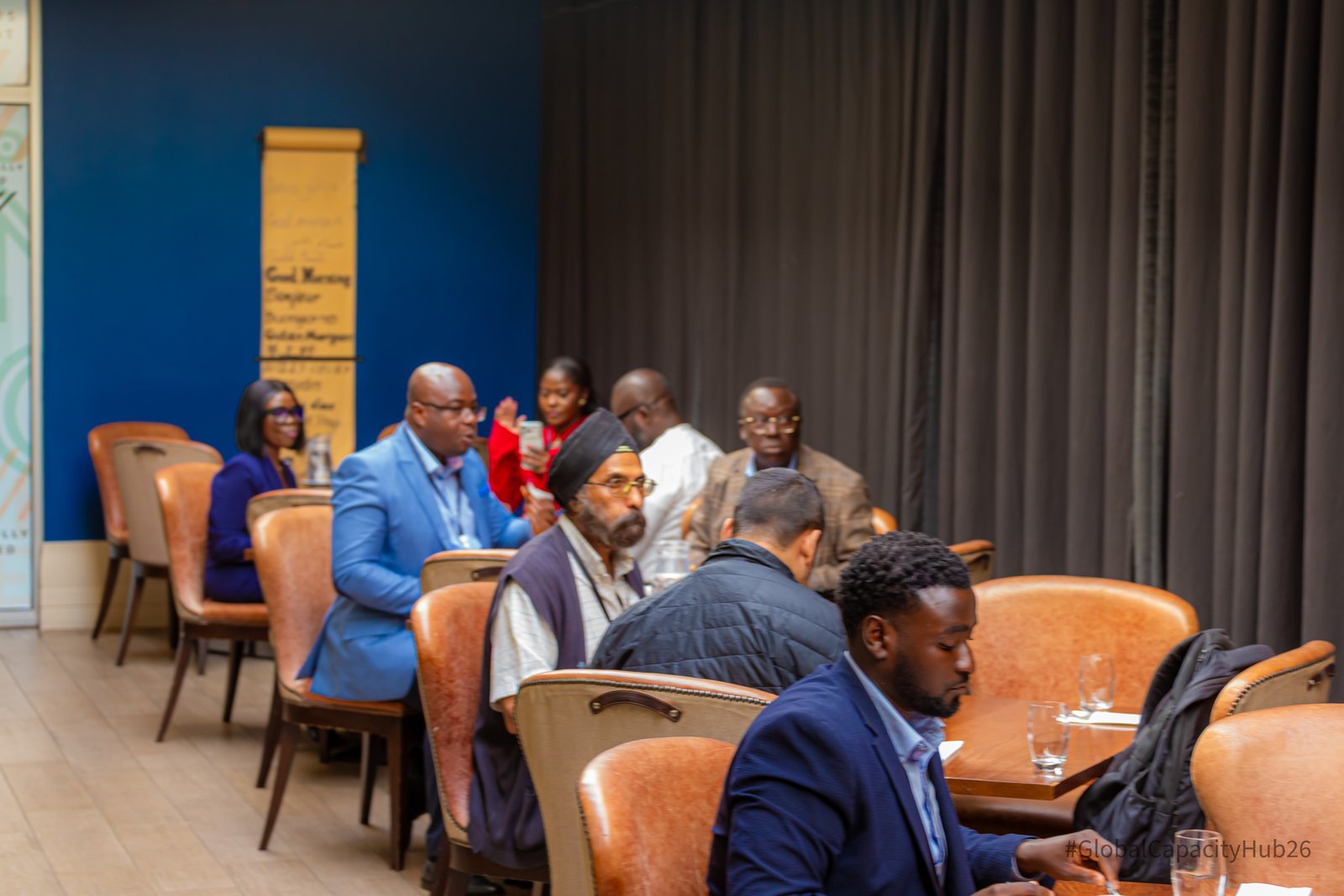
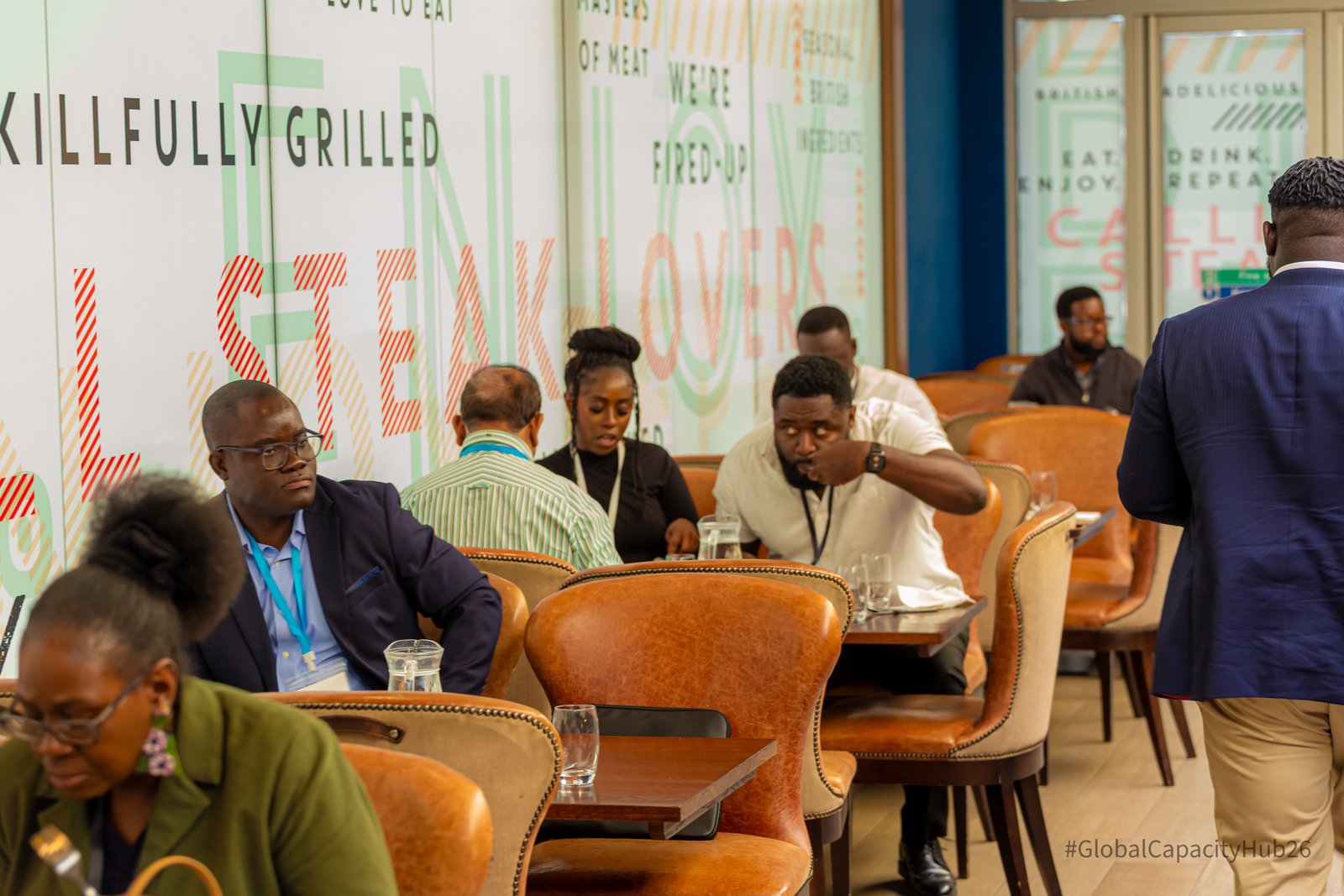
Beyond the presentations, the conference placed strong emphasis on networking and relationship-building. The organisers encouraged participants to see conferences not simply as learning events but as platforms for personal growth, the exchange of ideas and the discovery of opportunities that rarely appear anywhere else.
“Some of the most important opportunities begin with a conversation. Conferences bring people with different ideas, experiences, resources and networks into the same space. When people connect and share ideas, possibilities for collaboration, investment and growth emerge.”
The Organisers
It is a message Global Capacity Hub is now actively taking to entrepreneurs, business owners, professionals, young people and anyone seeking to advance personally or professionally: make a habit of showing up at conferences, seminars and networking platforms, because that is where knowledge becomes relationships, and relationships become opportunity.
Next stop: Dubai, then home to Ghana
The London edition is only one stage of a growing international journey. The conference heads to Dubai in March 2027, before returning to Ghana in June 2027.
Each edition will continue to strengthen the link between emerging technologies, investment and enterprise, giving businesses and professionals access to fresh knowledge, valuable networks, new partnerships and potential investment. For founders looking for funding, professionals looking to sharpen their edge, or investors seeking promising ventures, the next two editions offer a timely seat at the table.
Global Capacity Hub thanked all speakers, partners, sponsors, businesses, participants, volunteers and stakeholders who contributed to the success of the third edition. Guided by its commitment to connecting people, ideas and opportunities, the organisation says it will keep building platforms that turn knowledge and relationships into measurable impact.
Innovate. Invest. Grow. See you in Dubai.
Days
Hours
Minutes
Seconds




TUTORIALS
Featured Presentations
AI Agents and Business Automation
Presented by Fredrick Lutterodt
Fredrick Lutterodt presented on AI agents, agentic workflows and business automation. He explained that his motivation for building an AI-focused company came from observing business owners spending excessive time on repetitive activities that could be automated, thereby reducing the time available for creative and strategic thinking.
He distinguished conventional automation from agentic workflows. Traditional automation follows predefined instructions: if instructed to perform A, B and C, it executes those steps and may stop when an unexpected error occurs. An AI agent, by contrast, can be given a goal, reason about the route to that goal, respond to exceptions and continue the workflow when it has sufficient context and authority.
He described a basic agent cycle as input, reasoning, action and verification. The system receives data or a request, interprets what is required, takes an action and then checks whether the outcome meets the original goal. Around this process, he argued, businesses need guardrails. Agents should be scoped to specific jobs in the same way that organisations assign different responsibilities to data analysts, business analysts and other specialists.
His principal business example concerned customer feedback. He proposed an agentic workflow that collects feedback from multiple sources, categorises the issue, analyses sentiment, drafts or sends routine responses and escalates cases that require empathy or judgement. Positive comments and common questions can be handled quickly, while angry customers, refunds and complex cases should be handed to human staff.
He described this as a human-and-agent operating model rather than total automation. The objective is to automate the first handoff and repetitive classification while protecting human involvement where judgement matters. The organisation can then aggregate feedback and learn from recurring patterns.
During questions, he explained that fault-tolerant systems should include mechanisms for human intervention. When an exception occurs, notifications can be pushed to technical or operational leaders, who can approve a proposed action, reject it or provide additional context. He also stressed that successful automation design is collaborative: developers need to understand the client’s actual workflow, and in some cases must spend time within the organisation to understand how the work is really performed before automating it.
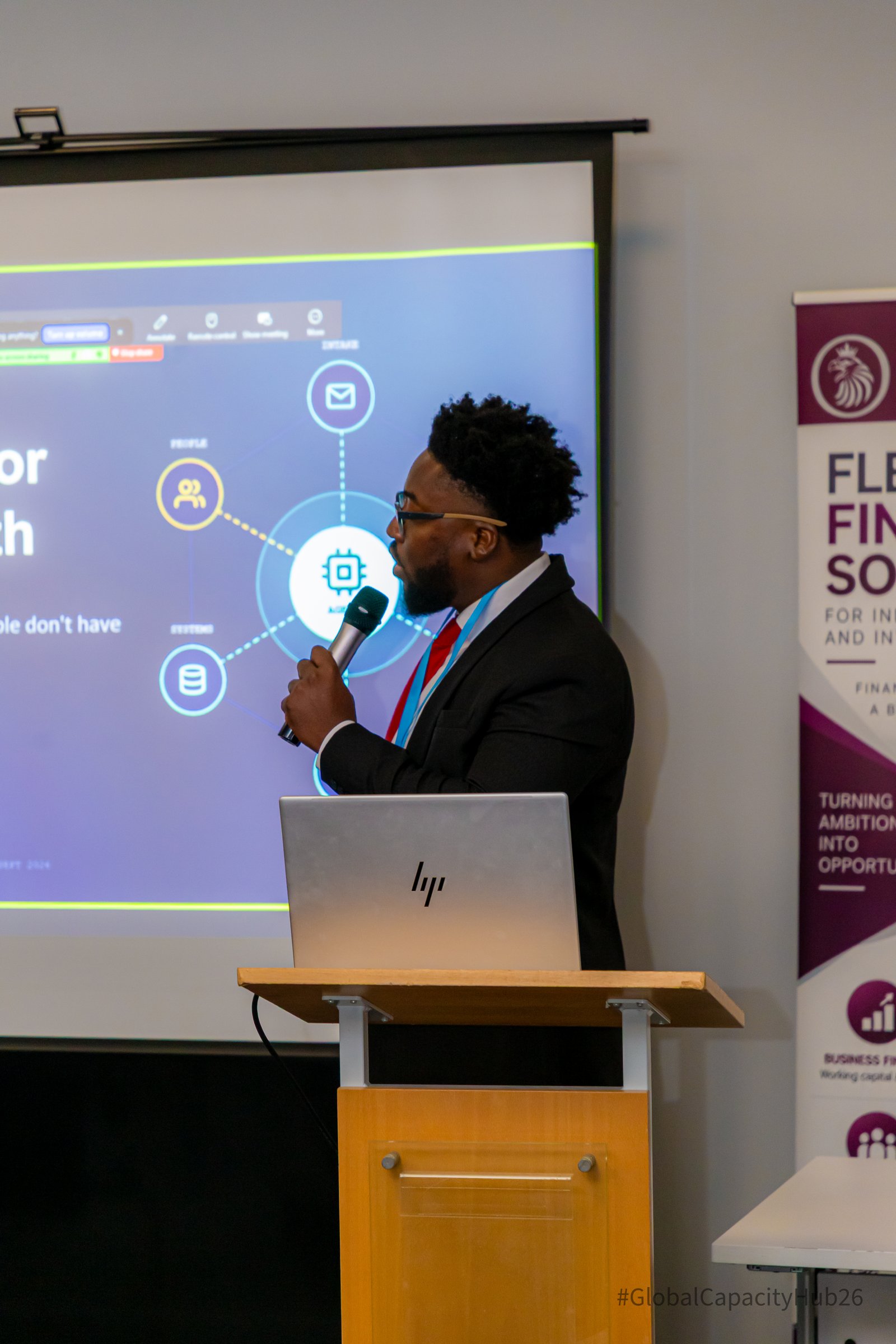
AI, Jobs and Practical Problem-Solving
Presented by Dr. M. G. Srikanthan
Dr. M. G. Srikanthan addressed one of the most persistent concerns surrounding AI: whether it will eliminate jobs. He used the historical transition from typists and stenographers to computer-enabled occupations to argue that technological change can remove some roles while creating many others. His central message was that people must learn to work with AI rather than assume that existing job structures will remain unchanged.
He cited a World Economic Forum employment outlook in support of the argument that some job categories will decline while new categories will emerge, and he added that many existing professions will remain but with a significant portion of their tasks transformed by AI. In his view, accountants, engineers, doctors and other professionals increasingly need technology-enabled skills within their disciplines.
He clarified that “AI” is broader than the large language models that dominate public discussion. He referred to machine learning, neural networks, deep learning, fuzzy logic and other approaches, explaining that generative AI is one application area within a much wider field. His emphasis was not on defining AI for its own sake, but on using appropriate AI techniques to solve concrete problems.
He presented several applied examples. In agriculture, he described a computer-vision solution deployed with drones to identify diseased or affected crops earlier, helping farmers target interventions and reduce waste of inputs such as water and fertiliser. In customer service, he described speech-to-text and sentiment-analysis systems that can assess call-centre interactions and help organisations evaluate whether agents are communicating appropriately.
For equipment-intensive businesses, he described using real-time machine data and analytics to assess equipment health before machinery is rented or deployed, reducing the risk of breakdowns and losses. In education, he described a system designed to identify students who were on track, needed revision, required additional support or were at significant risk. The approach relied on more frequent low-stakes assessment rather than waiting until final examinations to discover learning problems.
He reported that this education intervention was associated with a substantial improvement in student retention in the example he discussed. He also referred to computer-vision monitoring and additional quality-control applications, including food or production environments where AI can help identify presentation defects or foreign objects.
His overall message was that AI should be treated as a practical problem-solving partner. Rather than framing AI primarily as a threat, organisations and professionals should focus on the new capabilities it creates and develop the skills needed to use those capabilities effectively.

Bankable Projects, Delivery and Project Finance
Presented by David Feeney
David Feeney focused on the distinction between an interesting project and a bankable project. He explained that many promoters approach financiers with ambitious ideas and funding requests, but the key question is whether an investor can see a credible return and a clear route to delivery.
He described his work as bridging project delivery and project finance. Areas mentioned included agricultural processing, rice, fish and dairy, solar farms, gas-turbine power projects and water-treatment systems. His team’s role is to help structure opportunities so that they become viable before capital is requested.
He expressed a clear interest in working in Ghana and in identifying Ghanaian partners capable of delivering projects. Agricultural post-harvest losses were highlighted as a major opportunity: processing centres can help smallholder farmers move beyond selling raw produce by enabling packaging, processing, export preparation and local value addition.
He referred to work involving agricultural processing centres in Nigerian states and said similar approaches could be developed in Ghana. He also mentioned other projects under consideration in areas such as sugar, carrots and agricultural processing.
During discussion, he identified trade finance and collateral as significant barriers, particularly for younger companies and cross-border African projects. He noted that high-street UK banks may not always be the easiest route for certain African transactions and that alternative financial institutions and structures may be more suitable. He used a simplified example to illustrate that a commercially attractive project can still fail to proceed if the promoter cannot satisfy collateral requirements.
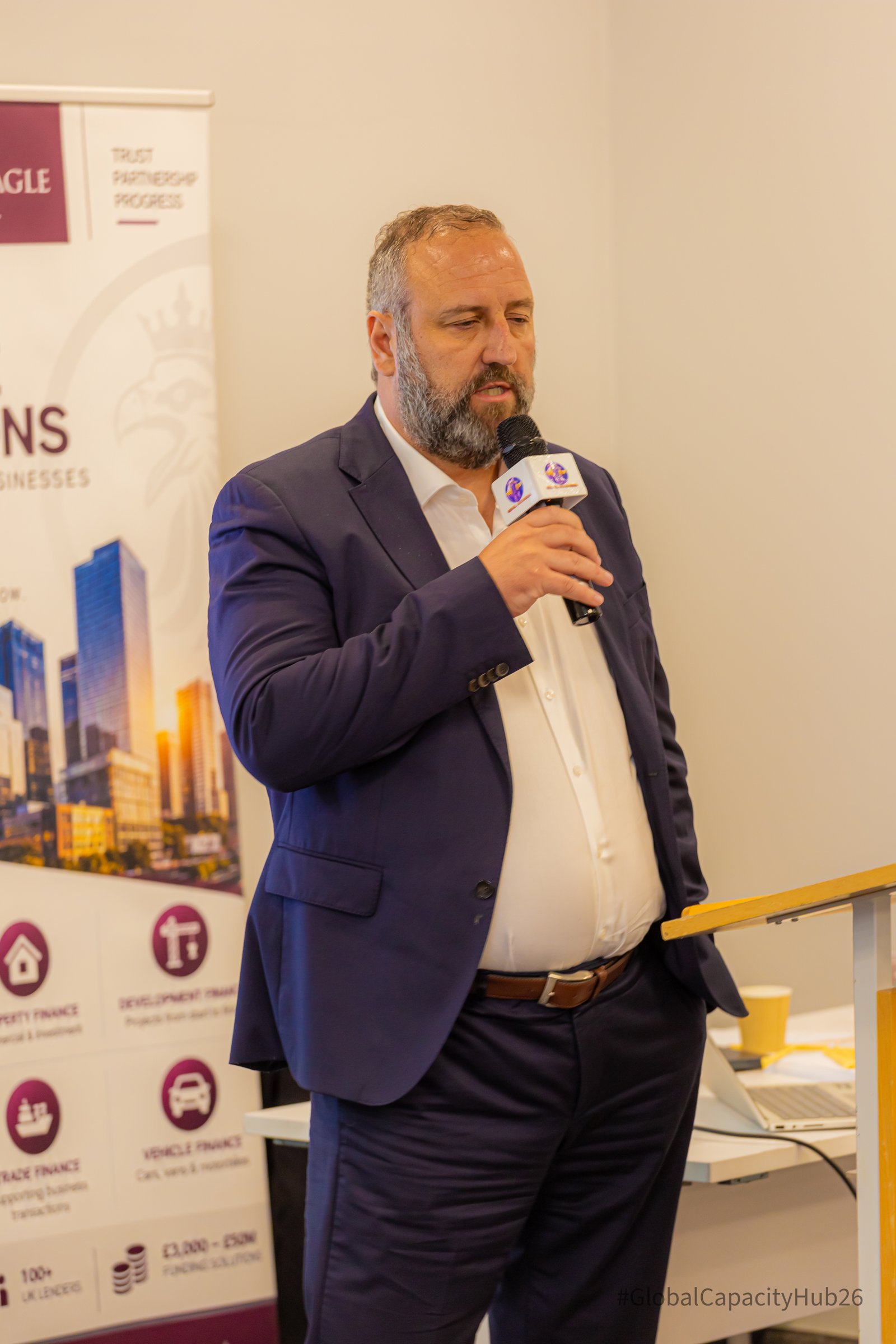
AI & EMERGING TECHNOLOGIES
Presented by David Blaise Ada
At our recent conference, Mr. Blaise shared key insights on how AI and emerging technologies are transforming today's workplaces. He explained the difference between AI tools and AI agents, and showcased practical examples like Grammarly, GitHub Copilot, and Plantix in education, coding, and agriculture.
He also touched on ethical risks—such as job loss, privacy issues, and misuse—and stressed the importance of using AI responsibly. The presentation concluded with tips on effective prompt writing and project ideas to help participants start building with AI.
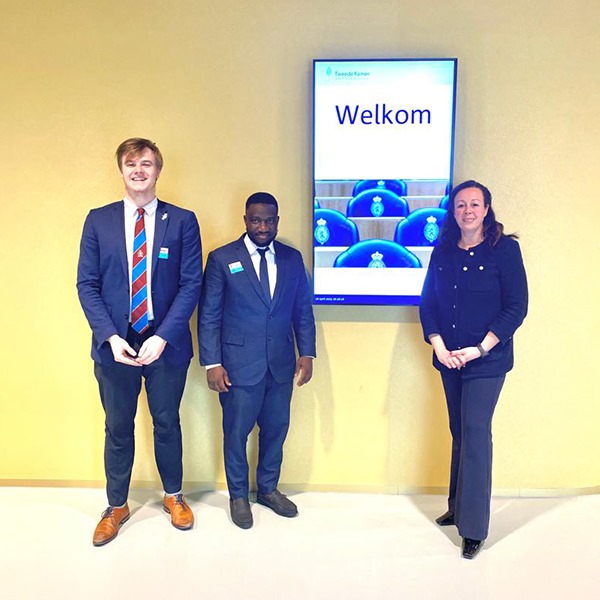
AI & THE WORKPLACE
Presented by Adwoa Opare Ansah
Ms. Adwoa's presentation explored how AI and data are revolutionizing the workplace. She highlighted how AI is streamlining tasks, enhancing productivity, and enabling smarter decision-making across industries. From automation to predictive analytics, she showcased how organizations are using AI to gain a competitive edge.
She emphasized the importance of data as the foundation of AI and encouraged responsible practices around privacy and bias. Her talk closed with a call for individuals and businesses to build data literacy and prepare for a future where humans and intelligent systems work together.

LEGAL AND ETHICAL CONSIDERATIONS
Presented by George Assuming
George's presentation focused on the legal and ethical challenges arising from the rapid growth of AI and emerging technologies such as blockchain, quantum computing, and robotics. He emphasized the double-edged nature of technology—while AI powers innovation, it also introduces risks like bias, misinformation, job displacement, and privacy violations.
He reviewed global regulatory efforts, including the EU AI Act and recent U.S. executive orders, and highlighted Ghana's own AI strategy and ethical readiness assessments. The session concluded with frameworks like NIST and ISO standards for responsible AI governance, stressing the need for fairness, accountability, and trust in AI development.

AI & MENTAL HEALTH
Presented by Mac Beth Yakuba
Mr. Yakuba's presentation focused on the role of AI in addressing social challenges, with a special emphasis on mental health. He highlighted how AI can support emotional well-being through accessible, tech-driven solutions. As part of his talk, he introduced Whispa2Me, a mobile app designed to provide a safe space for users to anonymously share their feelings and receive support. The platform aims to reduce stigma and encourage open expression, demonstrating how AI can be harnessed for empathy and connection in today's society.
ONLINE SCHOOL
ONLINE COURSES
MySQL Beginner Course
This MySQL Beginner Course is a practical introduction to relational databases and MySQL. It is designed for participants with little or no prior database experience who want to learn how information is structured, stored, retrieved, updated, and managed using SQL.
£40.00 View & Register →
MySQL Beginner Course
From Zero to Building and Querying Databases
Duration: 2 Weeks
Sessions: 2 sessions per week
Total Sessions: 4
Duration per Session: 2 Hours
Total Contact Hours: 8 Hours
Level: Beginner
Delivery: Practical, instructor-led training
Course Description
This MySQL Beginner Course is a practical introduction to relational databases and MySQL. It is designed for participants with little or no prior database experience who want to learn how information is structured, stored, retrieved, updated, and managed using SQL.
Over four hands-on sessions, participants will progress from understanding basic database concepts to creating their own databases and tables, inserting and managing data, writing useful queries, connecting related tables, and producing simple reports.
The course will use a small real-world database project throughout the two weeks, allowing participants to apply each new concept immediately rather than learning SQL commands in isolation.
Learning Outcomes
By the end of the course, participants should be able to:
- Explain databases, tables, records, fields, primary keys and relationships.
- Install/access MySQL and work with MySQL Workbench.
- Create and manage databases and tables.
- Understand common MySQL data types.
- Insert, retrieve, update and delete data.
- Write SQL queries using
SELECT,WHERE,ORDER BY,LIMITand related clauses. - Filter data using conditions and logical operators.
- Use aggregate functions such as
COUNT(),SUM(),AVG(),MIN()andMAX(). - Understand primary keys and foreign keys.
- Create relationships between tables.
- Use basic
JOINoperations to retrieve information from multiple tables. - Build and query a simple relational database independently.
GALLERY
PREVIOUS CONFERENCES and PROGRAMMES


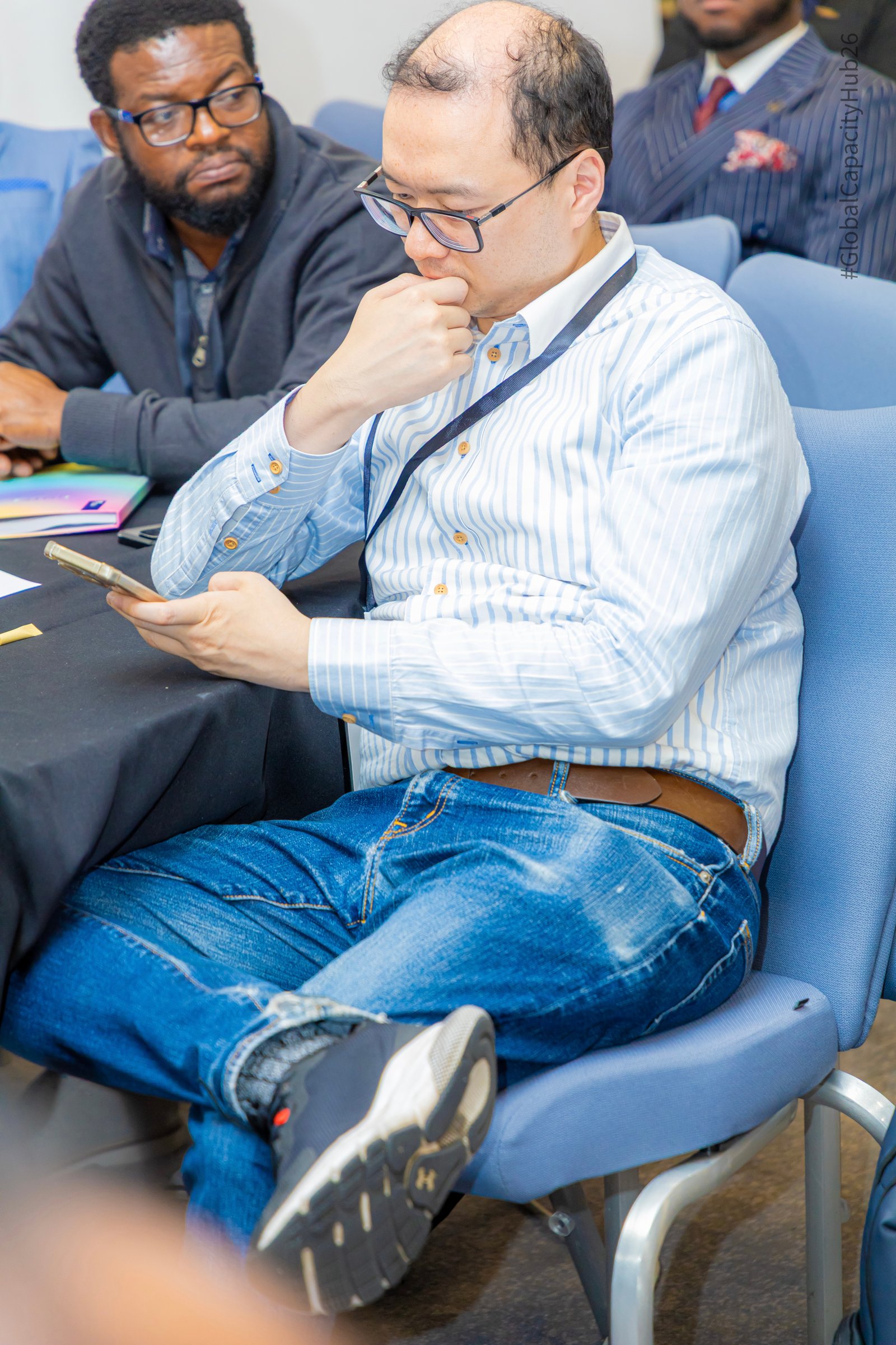
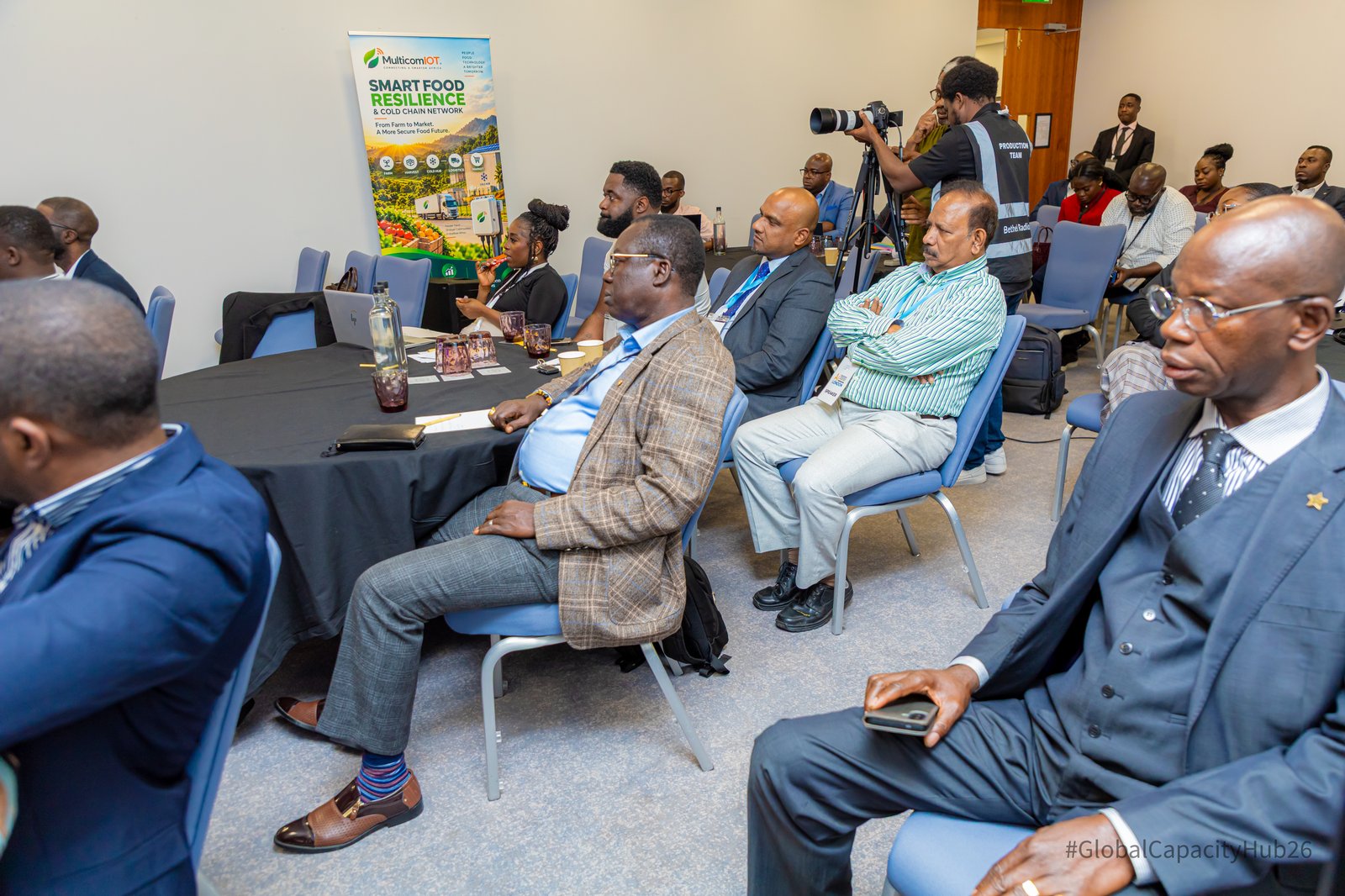
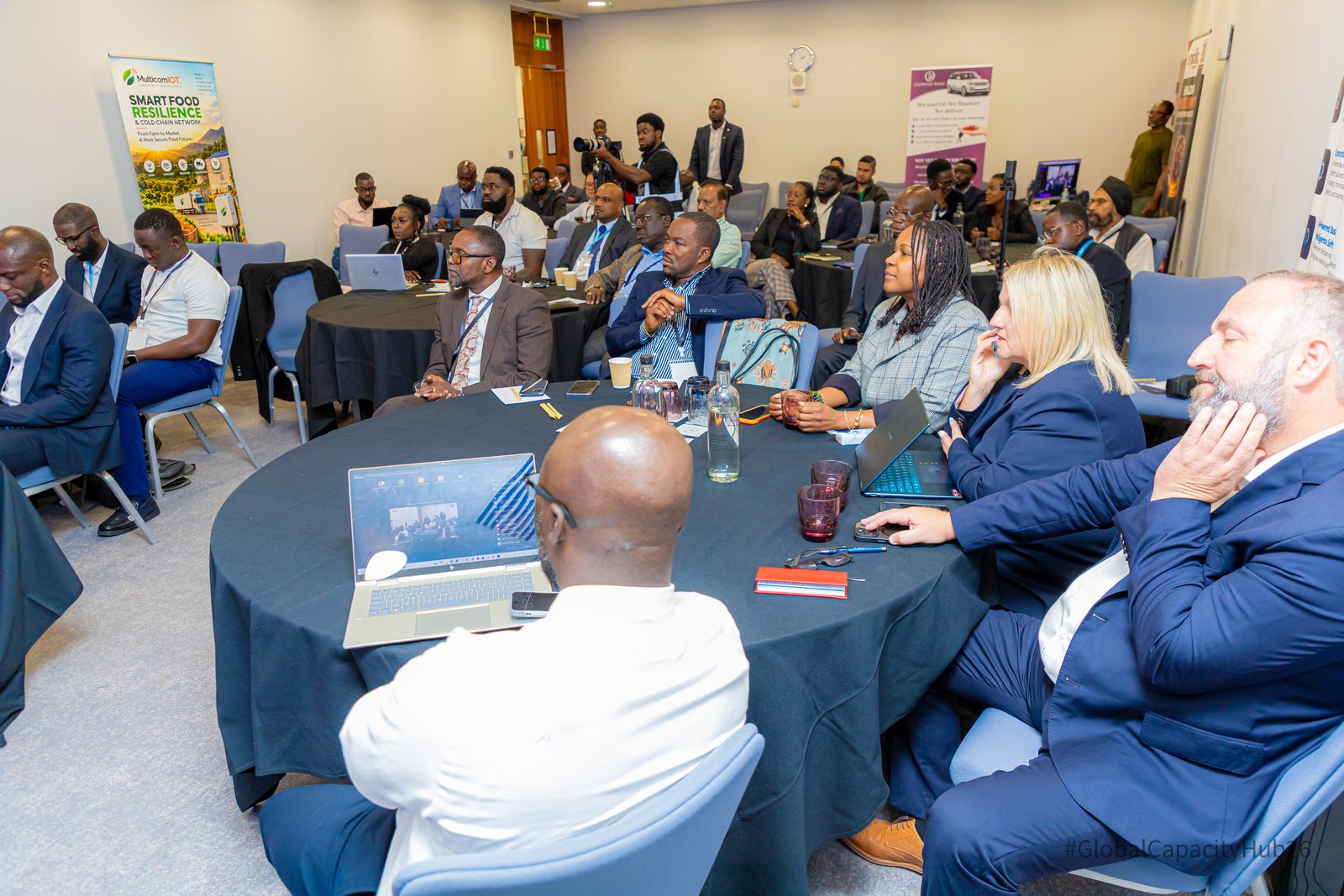
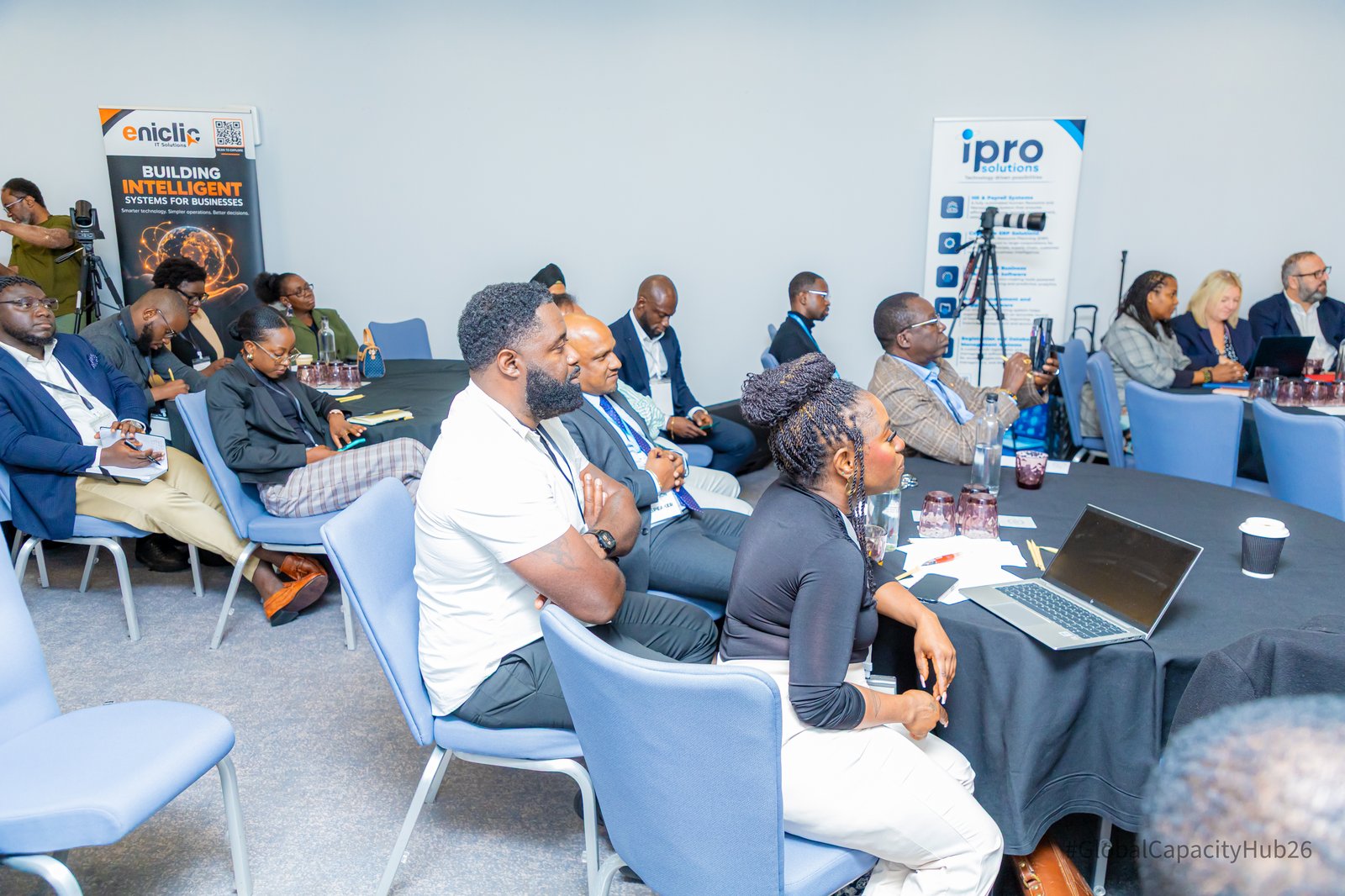
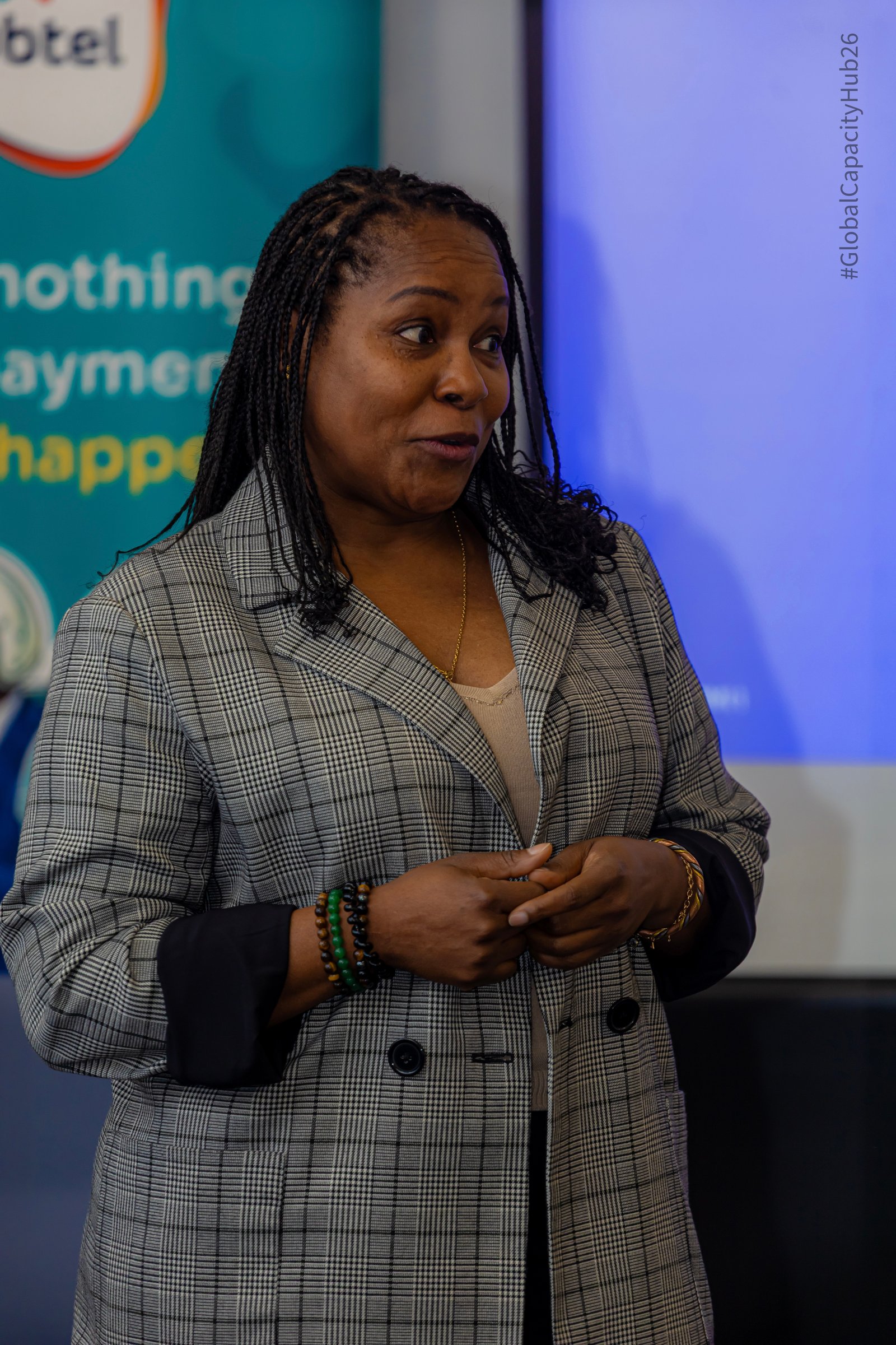

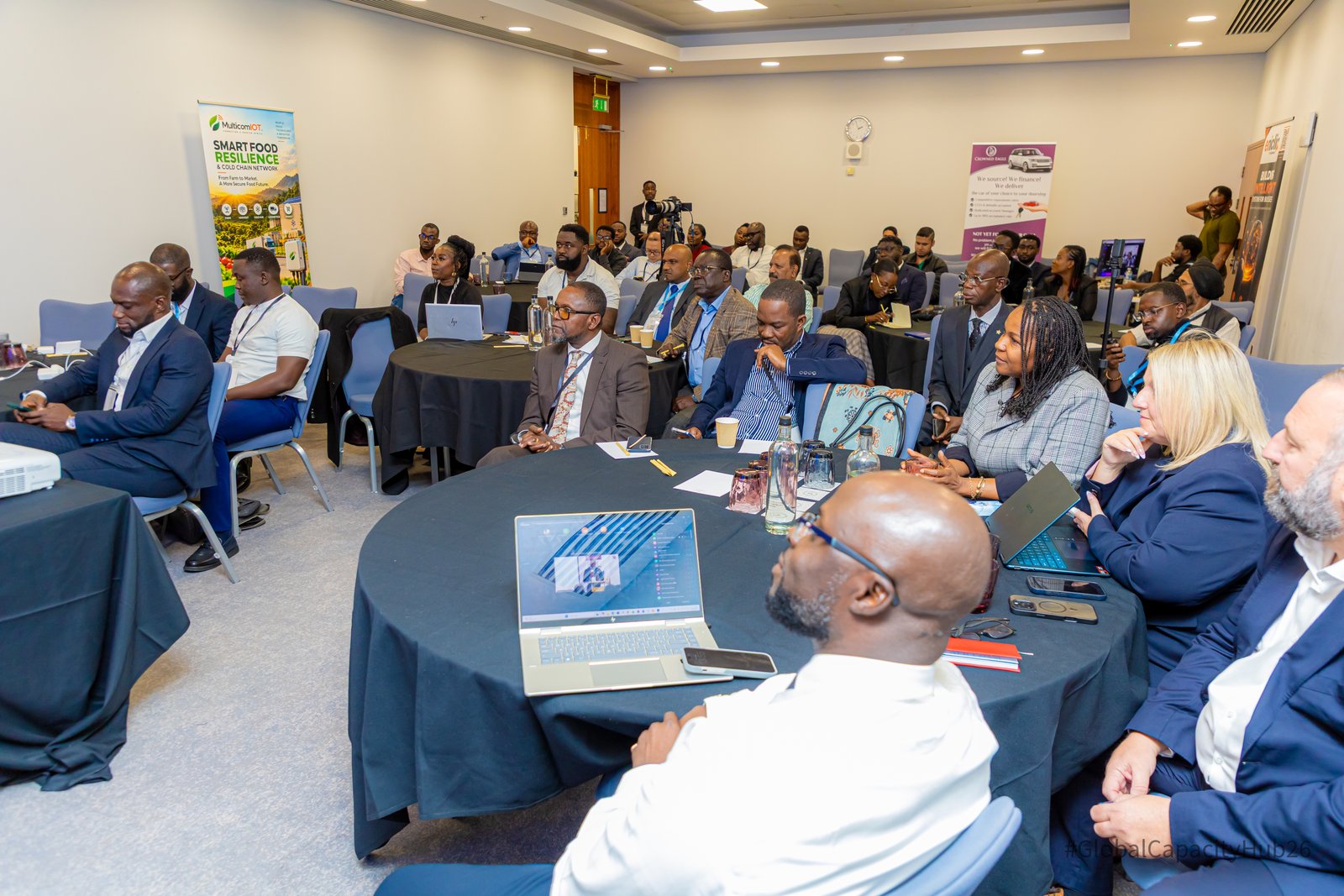
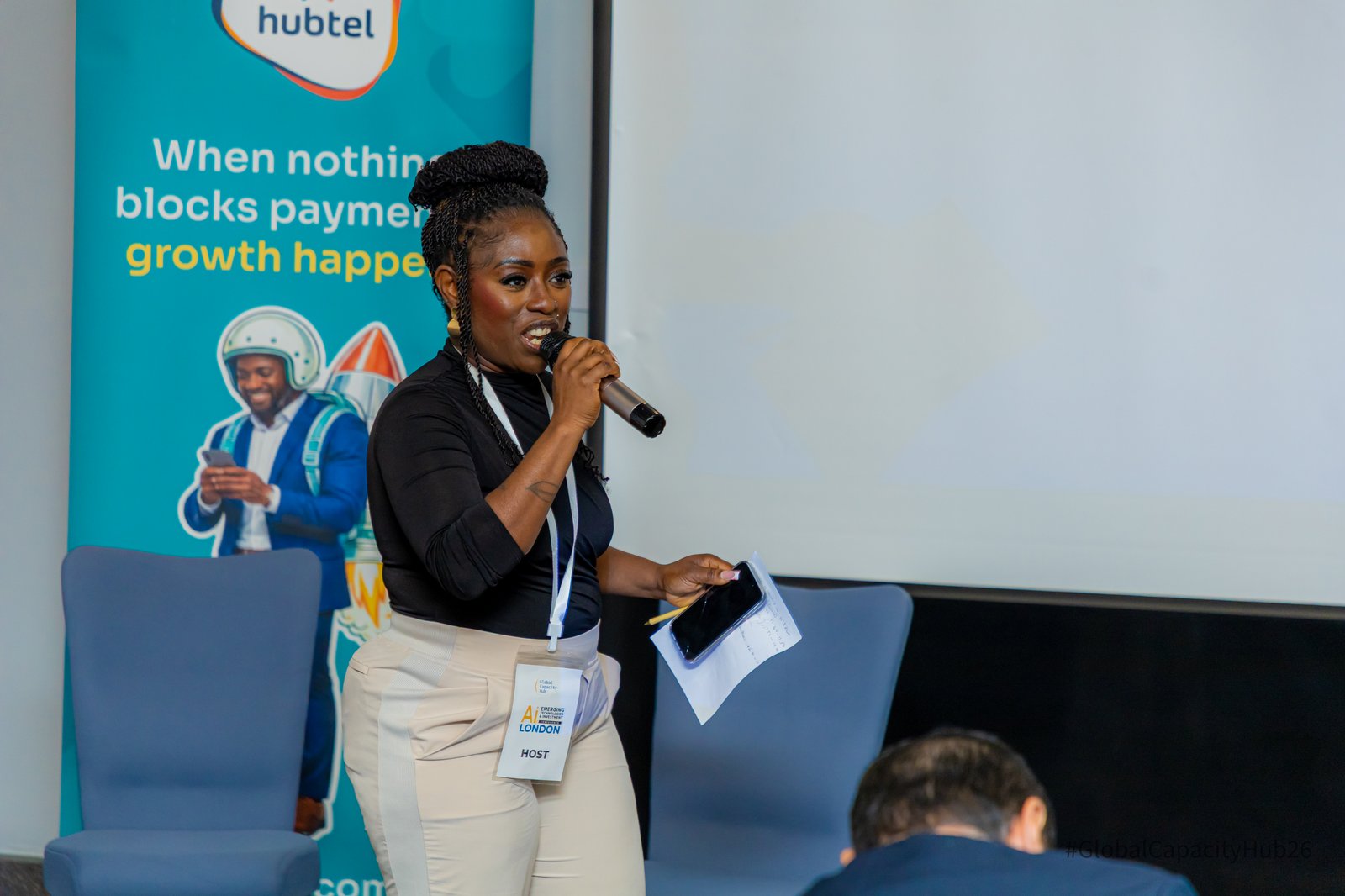
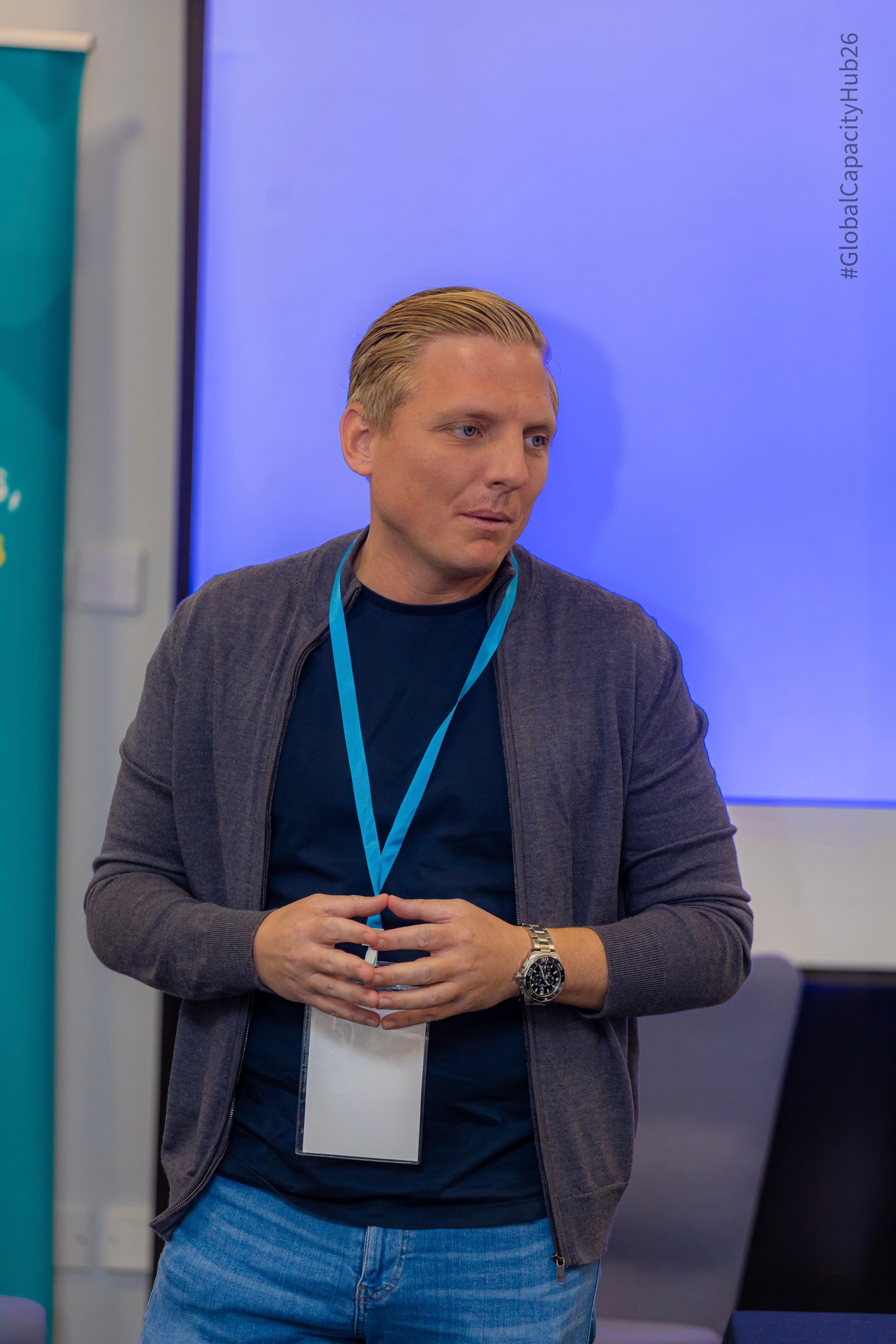




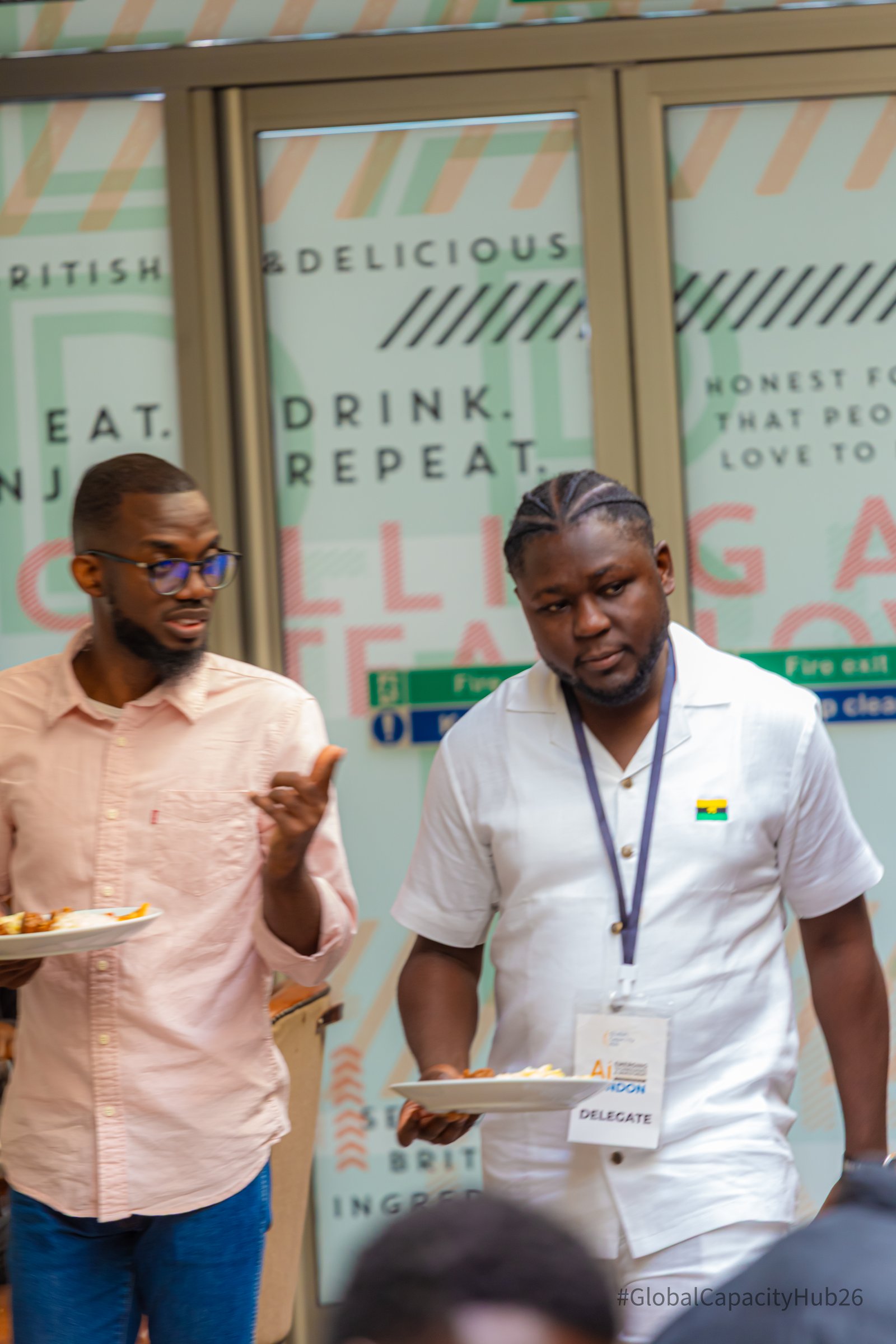
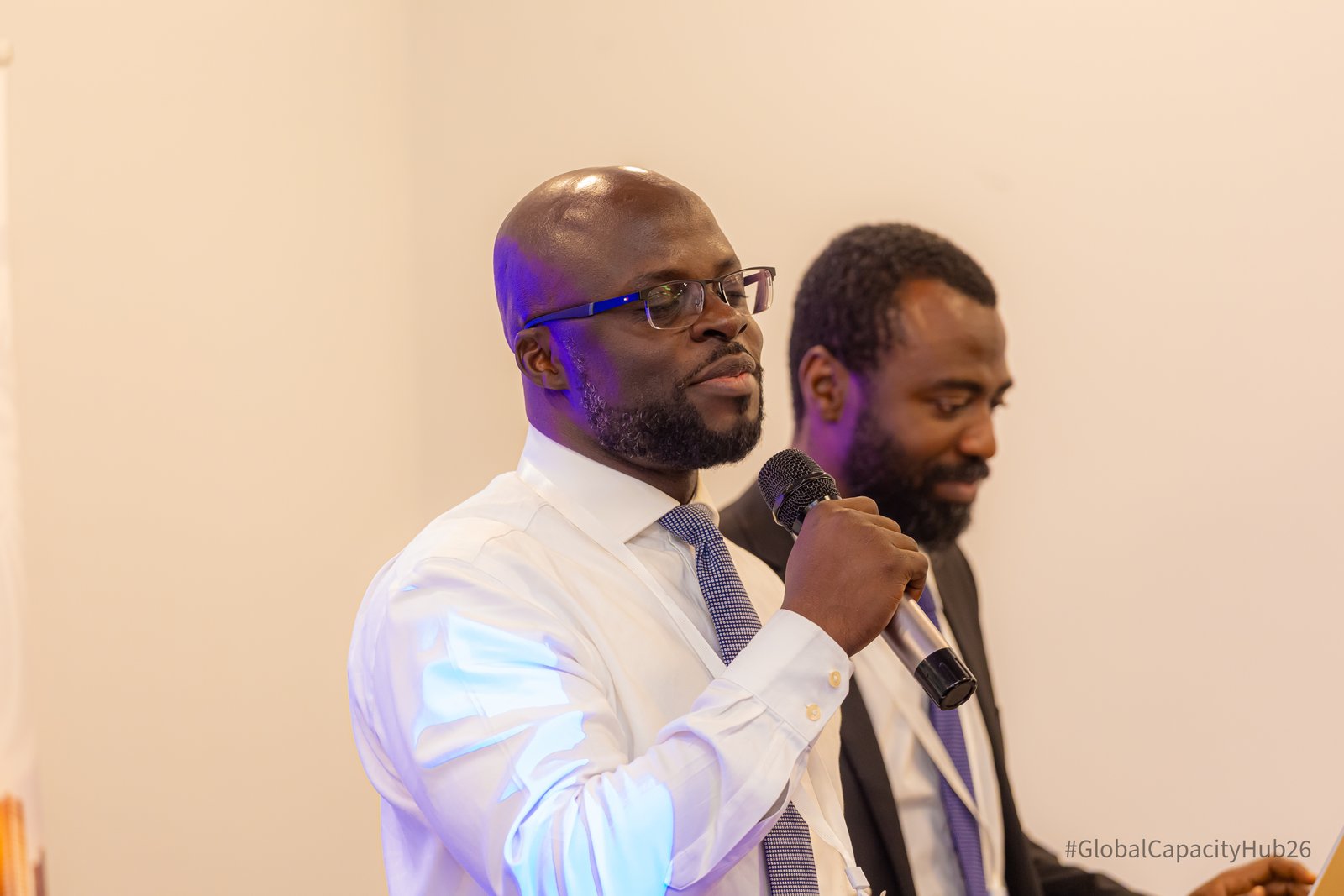
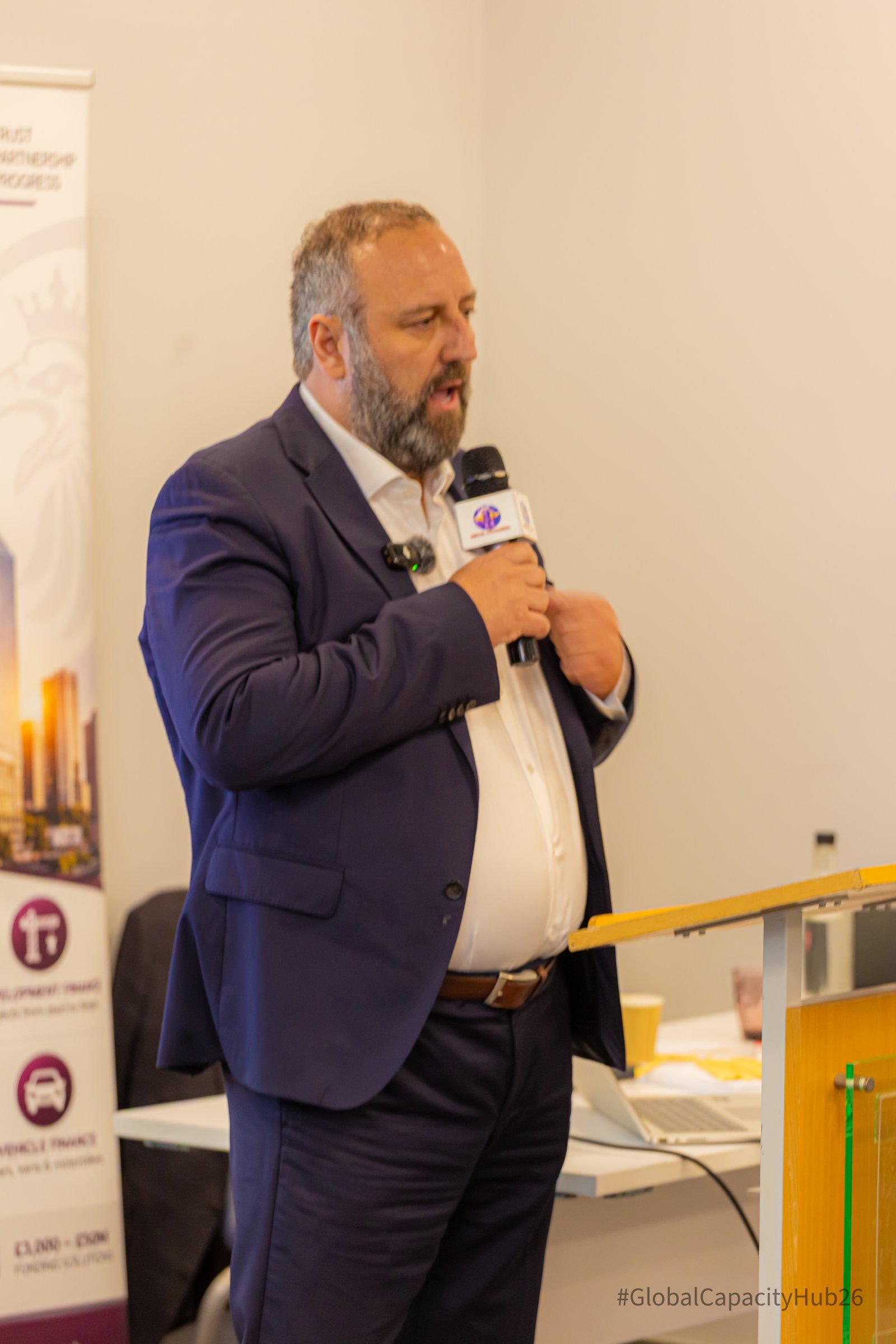
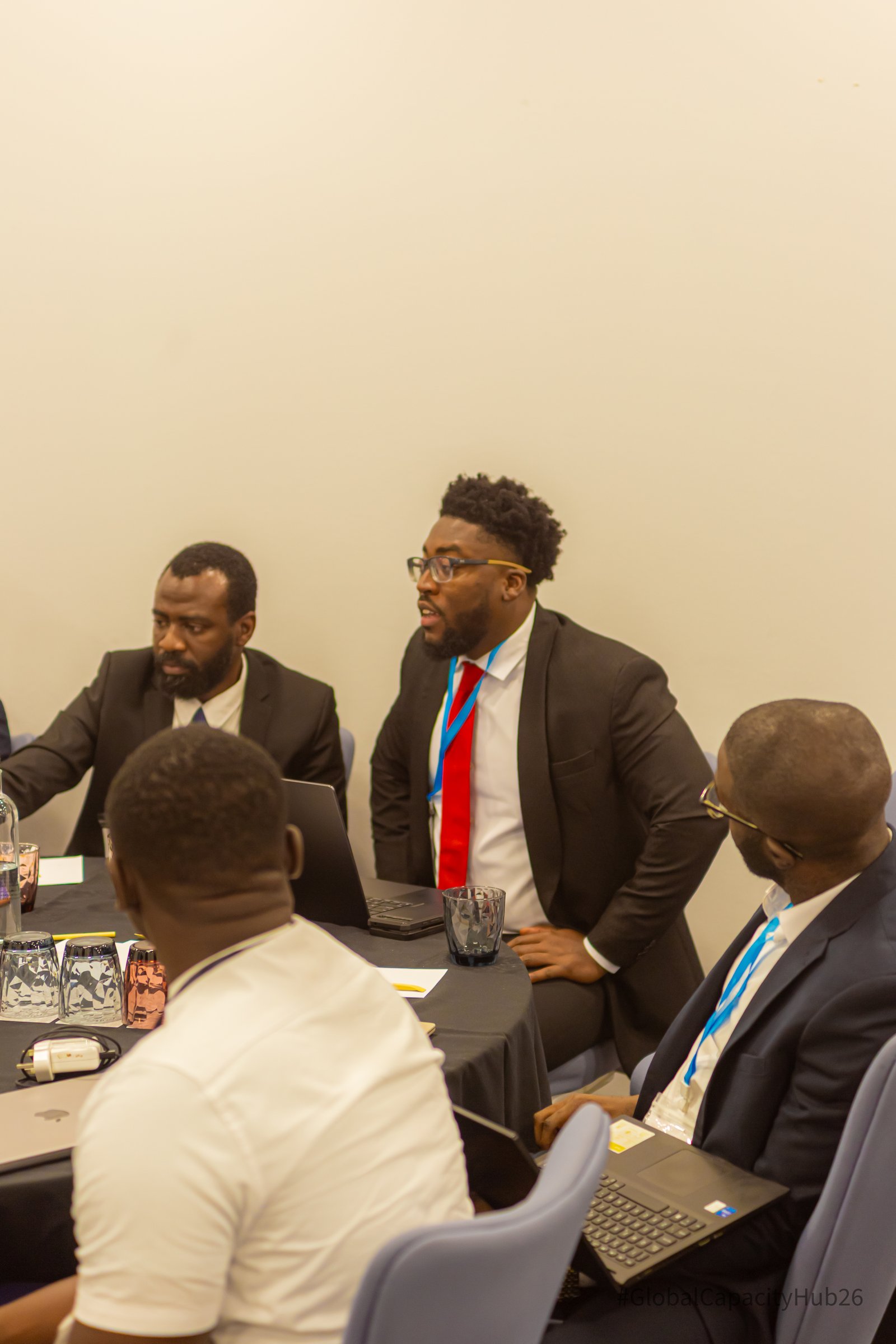







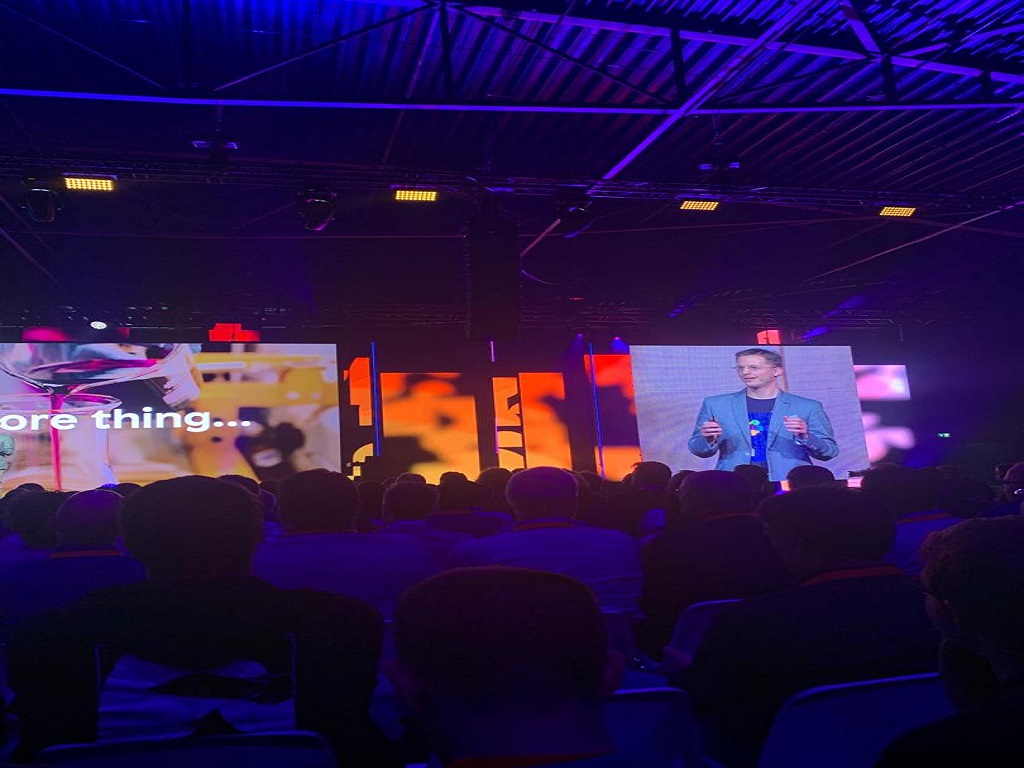


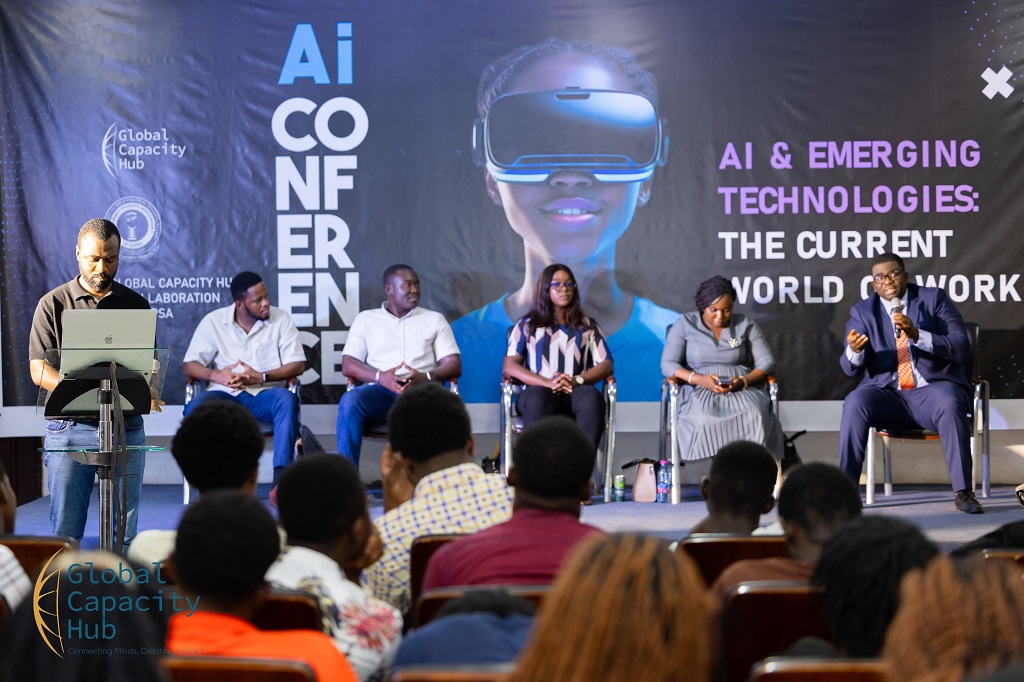
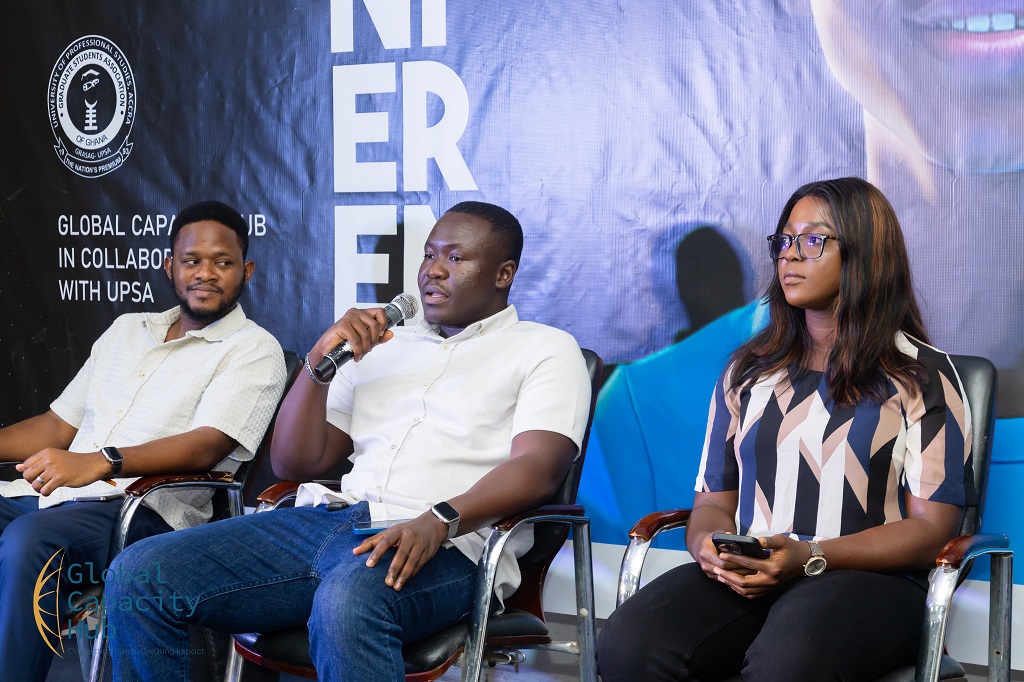
NEWS & UPDATES
Press Releases, Featured Stories & Industry Updates
- ALL
- PRESS RELEASE
- FEATURED STORY
- INDUSTRY UPDATE
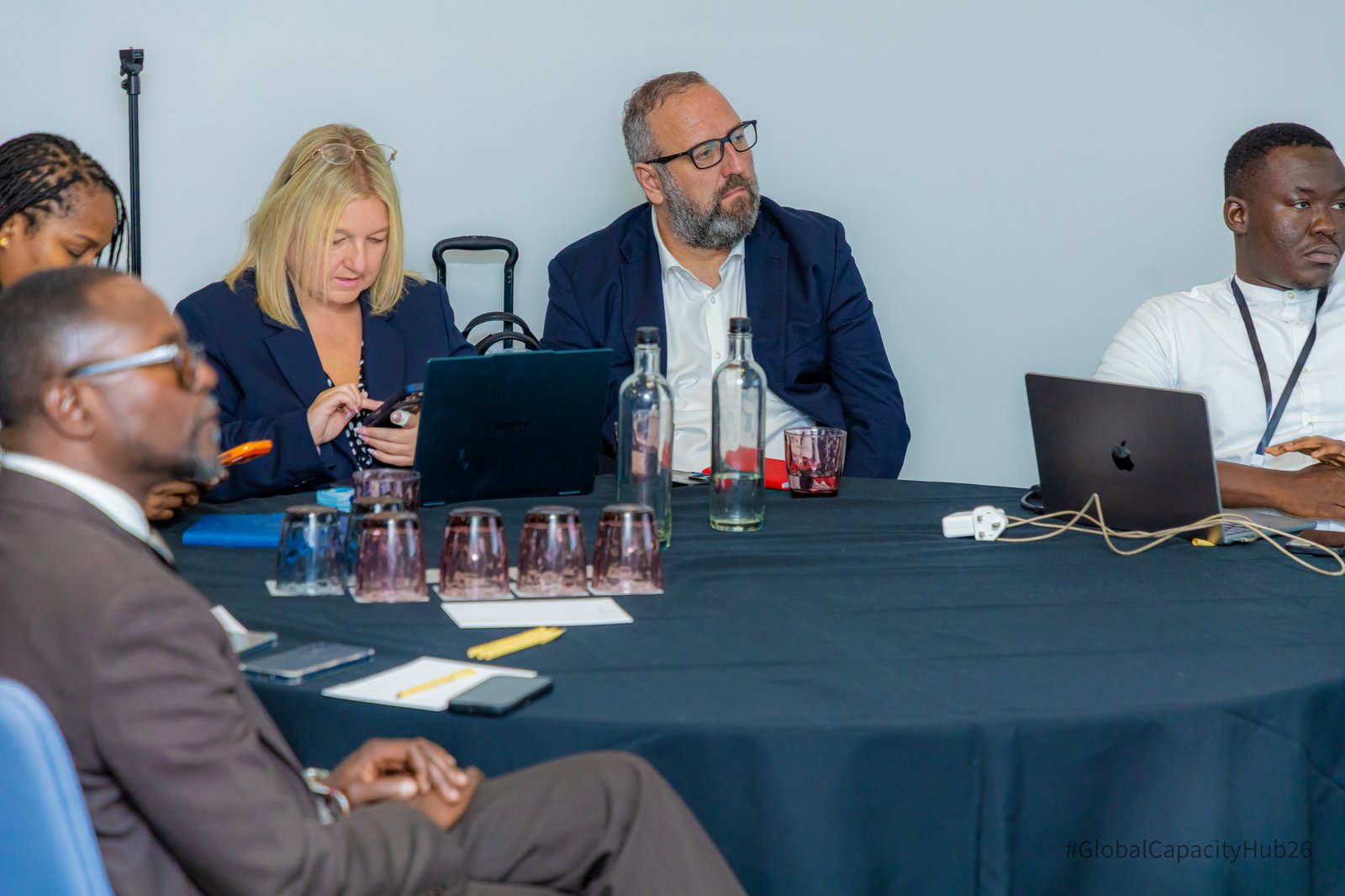
Where Technology Meets Capital: Global Capacity Hub's London Conference Opens New Doors for Ghanaian Businesses
LONDON, United Kingdom. On Saturday, 26 September 2026, the Sheraton Heathrow Hotel became a meeting point for ideas, expertise and capital as Global Capacity Hub hosted the third edition of its flagship conference, and the second to be held in London. Held under the theme “Innovate. Invest. Grow.”, this year's edition marked a significant evolution. What began as the AI & Emerging Technologies Conference has now grown to include investment and business growth, a deliberate expansion aimed at giving Ghanaian-owned businesses in Ghana and the United Kingdom a direct route to investors, funding opportunities and strategic partnerships.
Read More →GLOBAL CAPACITY HUB
Connecting Minds. Creating Impact.
PRESS RELEASE
FOR IMMEDIATE RELEASE | 28 September 2026
Where Technology Meets Capital: Global Capacity Hub's London Conference Opens New Doors for Ghanaian Businesses
Third edition of the AI, Emerging Technologies & Investment for Business Growth Conference draws innovators, investors and entrepreneurs to Heathrow, with Dubai and Accra next on the calendar
LONDON, United Kingdom. On Saturday, 26 September 2026, the Sheraton Heathrow Hotel became a meeting point for ideas, expertise and capital as Global Capacity Hub hosted the third edition of its flagship conference, and the second to be held in London.
Held under the theme “Innovate. Invest. Grow.”, this year's edition marked a significant evolution. What began as the AI & Emerging Technologies Conference has now grown to include investment and business growth, a deliberate expansion aimed at giving Ghanaian-owned businesses in Ghana and the United Kingdom a direct route to investors, funding opportunities and strategic partnerships.
The conference was organised by Stephen Forson, Director General of Global Capacity Hub, and Edward Akorsah, the organisation's UK Country Director, with Anthonia Adewuwa Owie and Afia Aninwaa serving as co-hosts. It brought together technology experts, business leaders, investors, entrepreneurs and professionals, with participants joining both in person and online.
From theory to the shop floor
If one message ran through the day, it was that artificial intelligence is no longer a subject for speculation. It is a working tool. Rather than dwelling on abstract promises, the programme focused on how entrepreneurs and organisations can put AI and emerging technologies to practical use: to raise productivity, solve real business problems, open new markets and stay competitive.
The speaker line-up reflected that practical focus, drawing on experience across banking, engineering, life sciences, governance and communication. Among those featured were Alex Flint, Executive Director at NatWest; Augustine Gyawu Adjei, Head of Engineering at Hubtel; Dr M. G. Srikanthan, Principal AI Strategist; Leanne Boytler, a British business executive in global operations and life sciences; Isaac Appiah-Kubi, Founder and CEO of Crowned Eagle Financial Services; Frederick Afrifa, Founder and Managing Director of Leadership Communication Group; AI governance specialist Anthony Baafi; AI automation consultant Fredrick Lutterodt; and business development professional Amina Tabiou.
The programme combined keynote sessions, panel discussions and hands-on workshops with exhibitions and a formal dinner. One of the most anticipated moments was the investment pitching session, where selected businesses presented their ventures directly to potential investors, turning the conference's new investment focus into something tangible.
Ghana's investment story takes centre stage
The Ghana High Commission in the United Kingdom graced the occasion and used the platform to showcase the country's investment potential to prospective investors. Its presence reinforced one of the conference's central aims: connecting international capital and expertise with opportunities on the ground in Ghana.
The partners behind the success
Global Capacity Hub expressed its deep appreciation to Hubtel, the Main Sponsor of the 2026 conference, for its support in making the event possible. Crowned Eagle Financial served as Organising Partner and CoreConnect Limited as Marketing Partner, with additional sponsorship from iPRO Solutions and Enniclic.
Special recognition went to Mr Isaac Appiah-Kubi, CEO of Crowned Eagle Financial UK, whose extensive contribution and commitment played a significant role in the organisation and success of this year's conference.
The value is in the room
Beyond the presentations, the conference placed strong emphasis on networking and relationship-building. The organisers encouraged participants to see conferences not simply as learning events but as platforms for personal growth, the exchange of ideas and the discovery of opportunities that rarely appear anywhere else.
“Some of the most important opportunities begin with a conversation. Conferences bring people with different ideas, experiences, resources and networks into the same space. When people connect and share ideas, possibilities for collaboration, investment and growth emerge.”
The Organisers
It is a message Global Capacity Hub is now actively taking to entrepreneurs, business owners, professionals, young people and anyone seeking to advance personally or professionally: make a habit of showing up at conferences, seminars and networking platforms, because that is where knowledge becomes relationships, and relationships become opportunity.
Next stop: Dubai, then home to Ghana
The London edition is only one stage of a growing international journey. The conference heads to Dubai in March 2027, before returning to Ghana in June 2027.
Each edition will continue to strengthen the link between emerging technologies, investment and enterprise, giving businesses and professionals access to fresh knowledge, valuable networks, new partnerships and potential investment. For founders looking for funding, professionals looking to sharpen their edge, or investors seeking promising ventures, the next two editions offer a timely seat at the table.
Global Capacity Hub thanked all speakers, partners, sponsors, businesses, participants, volunteers and stakeholders who contributed to the success of the third edition. Guided by its commitment to connecting people, ideas and opportunities, the organisation says it will keep building platforms that turn knowledge and relationships into measurable impact.
Innovate. Invest. Grow. See you in Dubai.

Will your job be replaced by AI? Here are the roles most affected
Artificial Intelligence (AI) companies are making vast claims about the ability of their tools to replace human labour. Some jobs will be automated, others will be "augmented". The bosses of the world's biggest companies are diverting vast sums into these tools, partly with the knowledge that they could save money on headcount. "Flat is the new up", we are told, in terms of the size of a company's workforce as investors ask whether jobs should be done by new recruits - or, instead, armies of "AI Agents", virtual workers tasked with doing specific roles, some of them relatively skilled.
Read More →Artificial Intelligence (AI) companies are making vast claims about the ability of their tools to replace human labour.
Some jobs will be automated, others will be "augmented". The bosses of the world's biggest companies are diverting vast sums into these tools, partly with the knowledge that they could save money on headcount.
"Flat is the new up", we are told, in terms of the size of a company's workforce as investors ask whether jobs should be done by new recruits - or, instead, armies of "AI Agents", virtual workers tasked with doing specific roles, some of them relatively skilled.
If even half true there will be an impact on us all, across sectors and individual careers, and perhaps it will happen sooner than we think.
Nobel prize-winning economists recently warned the world “must act now” to ensure that AI leads to rising living standards and not large-scale job displacement, and last month London businesses warned they were struggling to find the skills they need as AI disrupts the jobs market.
It is early days yet, but there are already some notable patterns in the data.
- Faisal Islam, Economics editor, Phil Leake, Miguel Roca-Terry, Data journalists and Jess Carr, Data designer
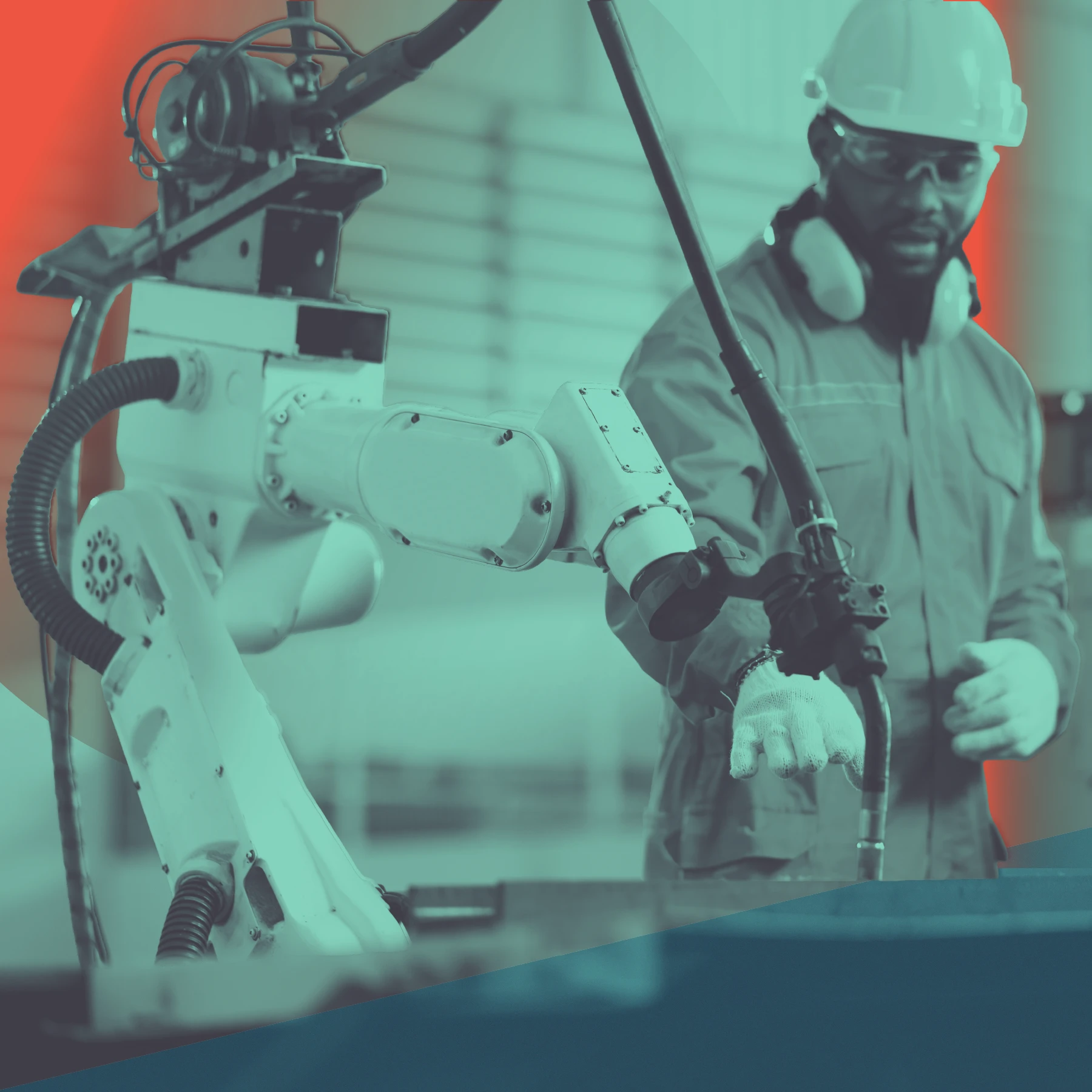
People Are Mostly OK With AI Taking Over Many Jobs—Up to a Point
Americans may be more open to AI taking over work than previously thought. Research by James Riley reveals which jobs people are willing to automate, where they draw the line, and why ignoring the value of a human touch could backfire for businesses. Featuring James W. Riley. By Julie Jette on February 5, 2026
Read More →Despite concerns that artificial intelligence might displace large swaths of workers, people say they are willing to let machines take over many tasks, and entire occupations, especially if AI can do the work better, faster, and cheaper. Just a handful of professions are viewed as off limits to automation, among them clergy members and childcare workers.
All told, the public supports automating roughly 30% of jobs based on current AI capabilities, according to a survey of 2,357 people who were asked about 940 occupations. What’s more, when people were prompted to imagine a more advanced version of AI in the future that can outperform humans at a lower cost, support for automation nearly doubled to 58% of occupations.
Such a sharp increase suggests that resistance to AI from automating jobs stems largely from concerns over the technical feasibility of the technology, rather than from social or ethical objections about replacing human labor, says Harvard Business School Assistant Professor James Riley, who served as the principal researcher on the survey.
Meanwhile, respondents were ambivalent or morally opposed to automating a significant number of jobs, even if AI could do the work flawlessly and more cost-effectively.
“Some employees will resist for their own reasons,” Riley says. And even customers might balk if companies “run roughshod over core audiences who value their goods, services, and brand. So there’s certainly a risk to automating and augmenting jobs away.”
It's a question of whether we can do even more at our jobs with these tools than we would have been able to in the past.
Before companies decide where and how to deploy AI to reap productivity gains, Riley says they should consider where and how much the public most values a “personal touch.” Regardless of whether AI can outperform a human, businesses risk turning off both employees and customers by letting the technology take over certain tasks.
Riley shares the study’s findings in a working paper “Performance or Principle: Resistance to Artificial Intelligence in the US Labor Market,” released in October, coauthored with Simon Friis, postdoctoral fellow at the Laboratory for Innovation Science at the Digital Data Design Institute at Harvard.
People support using AI as a performance tool
It may seem logical that as AI’s capabilities improve, market forces are likely to drive widespread automation of work. Yet Riley and his coauthor highlight that history tells a different story, noting that economic incentives alone don’t always dictate the adoption of new technologies. The paper points to public resistance to genetically modified crops, nuclear power, and embryonic stem cell research as examples of potentially beneficial technologies that have been initially constrained by social, moral, and ethical concerns.
When it comes to AI, people have a greater appetite for using the technology as a collaborative tool to assist humans, rather than a replacement for them:
- Some 94% of respondents favor using current-day AI to augment human work.
- That percentage rises to nearly 96% when the survey described a more advanced version of AI that may emerge in the future.
This suggests that most people appear comfortable with the idea that technology helps humans perform work more quickly and efficiently.
There are certain types of products or market sectors where people do care about how something was made as much as the fact that it was made cheaper.
“The fact that we can now use calculators to do longhand calculus or algebra means that instead of wasting our time trying to do what have become rudimentary calculations, we can turn our focus to higher-order problems,” Riley says.
“So, the AI optimist is thinking that we're not going to be suddenly replaced all at once and in such a way that none of us have any more purpose, meaning, or jobs. It's a question of whether we can do even more at our jobs with these tools than we would have been able to in the past.”
Which roles should remain human?
When it comes to AI replacing humans, however, people remain ambivalent about automating nearly 42% of professions. Respondents indicated that technical advances alone aren’t enough to win their support for automating many roles, from nuclear power reactor operators and sports medicine physicians to bakers. They feel a strong degree of moral repugnance toward automating a select few occupations—about 12%—including funeral directors, athletes, and artists.
“Respondents are implying that there’s this social and moral boundary marking what we as people, as a species, need to continue to do,” Riley says. “We’re going to need to have a sober conversation informed by some rigorous analyses around where these boundaries are and why.”
Survey respondents matched the demographics of the US adult population on age, gender, ethnicity, and political affiliation.
Leaders must find the ethical line
The survey didn’t ask whether respondents were comfortable with their own occupations being automated—and Riley notes that public sentiment about which roles are fair game for AI automation could, of course, change over time.
“It's easy for respondents to say all this hypothetically, but maybe people won't be as comfortable when it actually starts happening,” he says. “Because there will be more at stake, as opposed to right now, when it’s no longer at a distance, or a thought experiment.”
For now, Riley recommends that leaders who are trying to balance AI use while maintaining stakeholder trust should:
Prioritize performance in evaluating AI opportunities
Companies planning their shorter-term AI strategies should focus on areas where customers don’t hold strong moral objections, and where AI’s usefulness is solid, Riley suggests.
Consider AI norms in long-term planning
As companies scale their AI use, planning should go beyond technical constraints and performance to include social and organizational factors, including talent retention and demand-side risks.
Be transparent about AI use
As AI capabilities expand, businesses may want to extend AI into more areas, but Riley says they should openly communicate to stakeholders how exactly they’re applying the technology and why.
Know the risks of crossing lines
For some customers, human presence will be non-negotiable in certain tasks and roles. Executives in some industries should remain aware that automation could outright diminish the value of their products or services and alienate customers.
“There are certain types of products or market sectors where people do care about how something was made as much as the fact that it was made cheaper,” Riley says.
Contact
CONTACT US
Address
International House, 101 King's Cross Road, London. WC1X 9LP
Call Us
07359003110
+441908384757
Email Us
admin@gcapacityhub.co.uk
info@gcapacityhub.co.uk